We Don’t Talk Enough About the Mental Health Impact of Limb Loss
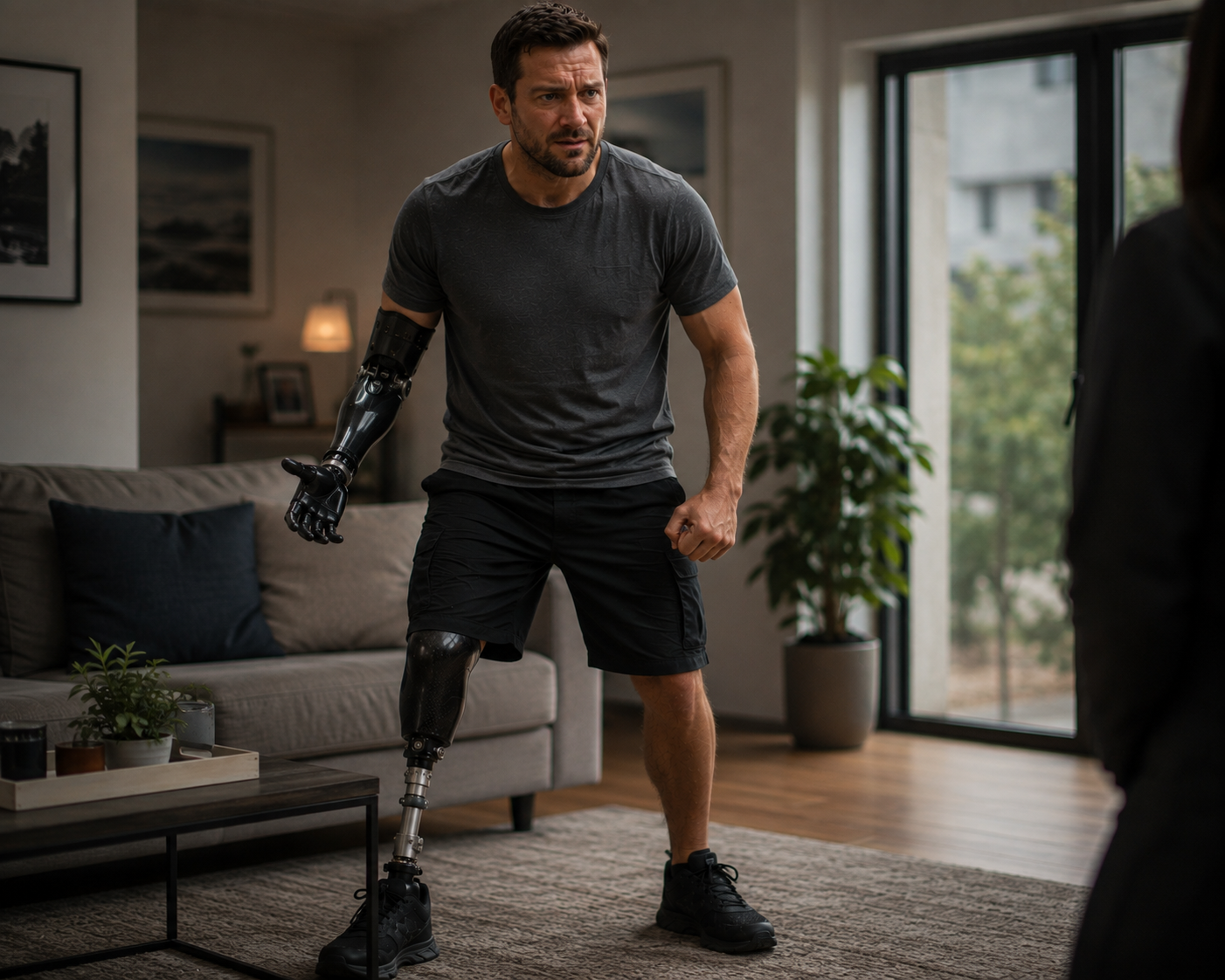
When most people think about limb loss, they think about surgery, prosthetics, rehabilitation, and learning to walk again. Those are certainly important milestones, but they only tell part of the story. The invisible challenges—grief, anxiety, depression, loneliness, and uncertainty—are often much harder to overcome.
A 2024 systematic review and meta-analysis examining 61 studies involving 9,852 people living with limb loss found that approximately 33.9% experienced clinically significant depression following amputation. That means roughly one in every three people faces a level of depression that deserves clinical attention. Reading those findings didn’t surprise me. They simply gave numbers to something I had already experienced.
My Recovery Changed the Day I Met Another Amputee
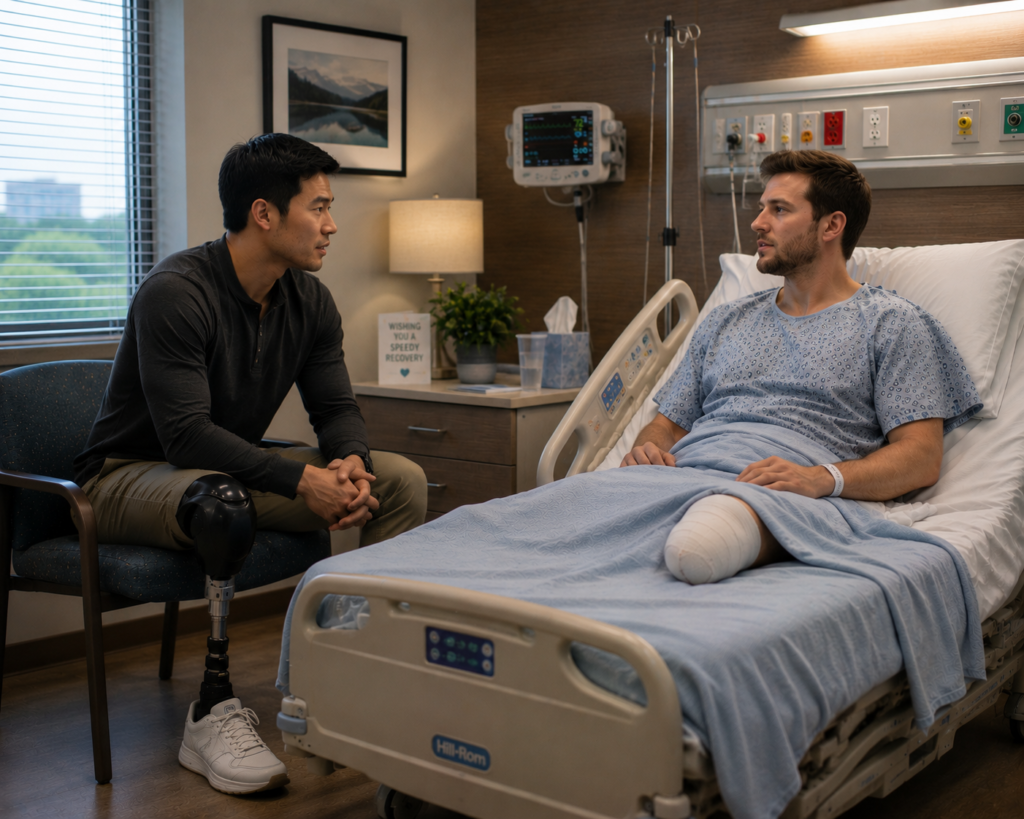
During rehabilitation I had exceptional healthcare professionals and incredible family support, yet I still felt isolated. The first time I sat down with another amputee, I realized I didn’t have to explain myself. They understood phantom pain, body image concerns, fear of falling, and the emotional exhaustion that can accompany recovery. That conversation didn’t change my circumstances overnight, but it changed my outlook. Hope became believable because it came from someone who had lived the same journey.
Why Peer Support Works
Researchers have spent years studying why peer support improves psychological well-being. One reason is that it normalizes emotions. Many new amputees believe they are the only person struggling with fear, sadness, frustration, or anger. Meeting someone who has experienced those same emotions immediately reduces the sense of isolation.
Peer support also increases self-confidence and self-efficacy. Seeing another person successfully return to work, travel, enjoy hobbies, or simply live a fulfilling life helps us believe we can do the same. It also provides practical knowledge that complements clinical care—advice on everyday living that only someone with lived experience truly understands.
The Evidence Is Encouraging
The same review that identified depression in one-third of people living with limb loss also found that strong perceived social support was one of the most important protective factors for mental health. People who maintained supportive relationships and used active coping strategies generally experienced better psychological outcomes than those who became socially isolated.
Other studies have reached similar conclusions. Peer support has been linked with greater confidence, reduced feelings of loneliness, improved adjustment to limb loss, and a stronger sense of belonging. While researchers continue to call for larger, higher-quality studies, the existing evidence consistently points in the same direction: connection matters.
Healing Goes Both Ways
One of the unexpected lessons I’ve learned is that peer support benefits everyone involved. Receiving encouragement is powerful, but offering encouragement can be equally meaningful. Every time I share my experiences with someone newly adjusting to limb loss, I’m reminded how far I’ve come. Helping someone else has become part of my own healing. It reinforces resilience, gratitude, and purpose in ways I never expected.
Connection Is Part of Rehabilitation
We often think rehabilitation ends when we leave the hospital. I don’t believe it does. Recovery continues every time we overcome another obstacle, regain confidence, or discover that we’re capable of more than we imagined. Healthcare professionals rebuild our bodies and our independence. Peer support helps rebuild hope.
Looking back, one of the most important milestones in my recovery wasn’t taking my first steps with prosthetic legs. It was realizing I no longer had to face limb loss alone. If you’re struggling today, I encourage you to reach out to another person living with limb loss. Sometimes the most powerful therapy begins with a simple conversation and the comforting realization that someone else truly understands.
References
• Systematic review and meta-analysis of depression after limb amputation (2024), Journal of Psychosomatic Research.
• Canadian Prosthetics & Orthotics Journal review on peer support after major limb loss.
• Research on social support and mental health in disability populations (PubMed).