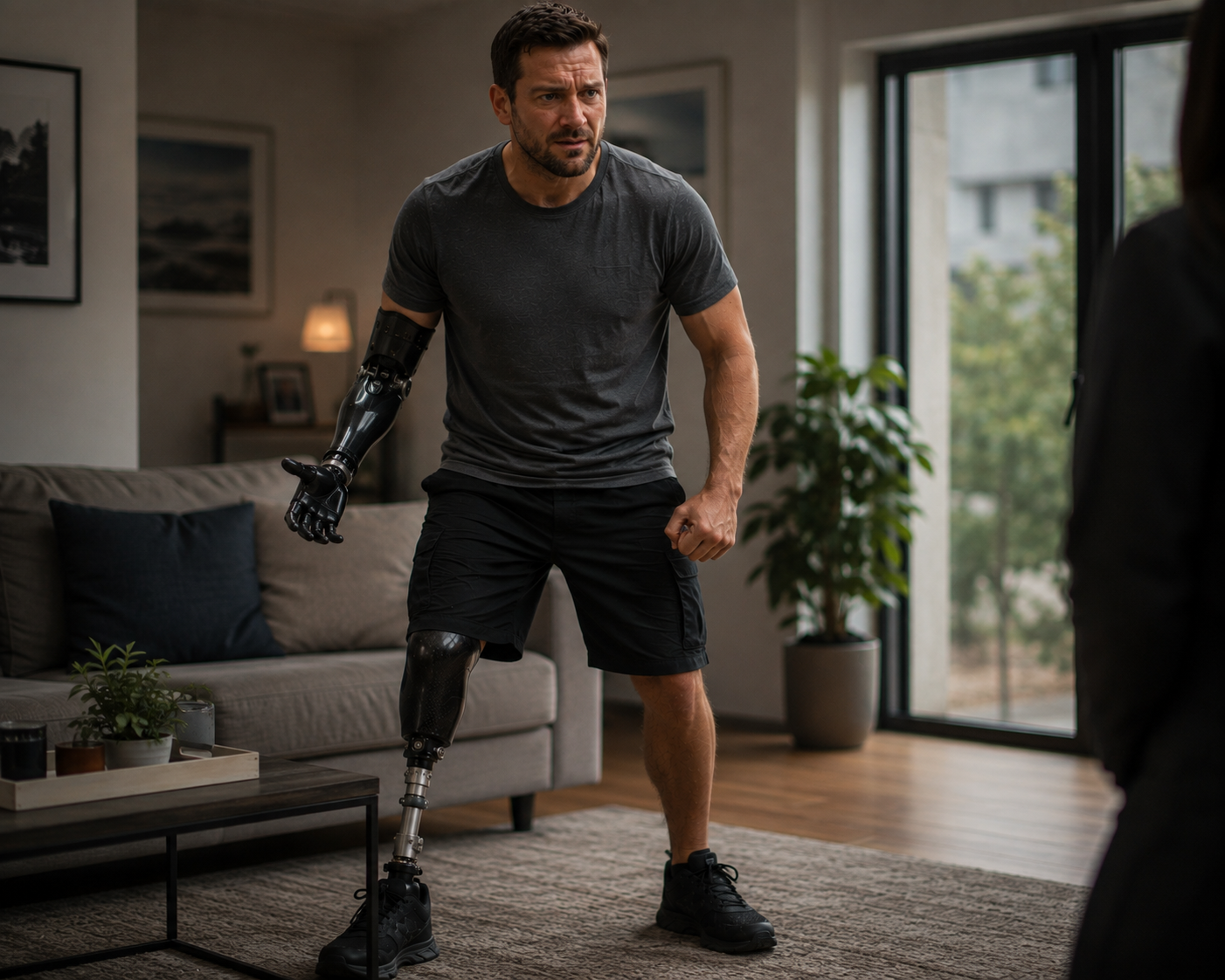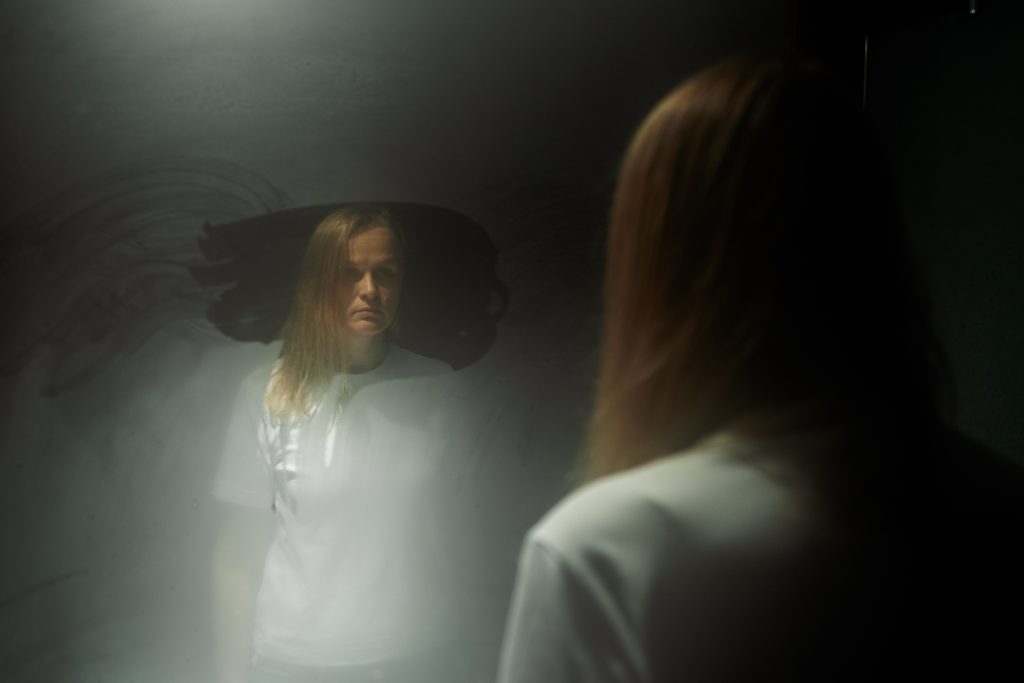
Life after an amputation is a journey filled with both physical and mental challenges. The physical limitations are tangible, right in front of you, but the impact on mental well-being can be just as profound. In the hospital or at home, you grow accustomed to your appearance from your own perspective. But the first glance in the mirror can be jarringly shocking, plunging you into a whirlpool of emotions.
I remember that moment vividly. After surgery, I spent about a month healing with minimal physiotherapy. Once my wounds healed, we ramped up exercising. In the physiotherapy room, surrounded by movement and effort, I caught sight of myself in a large mirror on the wall. It was the first time I’d seen my new appearance. I felt shot – sadness washed over me at how I now looked. No arms, no legs. Shorter in height, arms truncated. I didn’t know how to process this new image of myself.
I retreated to my room, upset, avoiding mirrors for months afterward. Seeing myself in the mirror made me view myself through others’ eyes. I became hyper-aware of going out, fearing people were looking at me. With legs, I could hide them under longer pants, though walking didn’t feel smooth like before. Arms were harder to conceal. Long sleeves left dangling ends. Prosthetic arms came with functional hooks. Emotionally, it was a constant battle.
A year later, I’m still self-conscious about how people see me, struggling to look at myself in the mirror. It’s something I need to work on. The more I push myself to go out wearing visible prosthetics, the more I realize most people aren’t staring – they’re caught up in their own lives. Accepting myself as I am is a slow process. There’s no rush, but speaking with someone – a therapist, doctor, or fellow amputee – can help navigate the feelings.
Reflections on Acceptance
It’s normal to feel this way after an amputation. The path to acceptance is long but walking it helps. By facing my fears and pushing boundaries, I’m learning that others aren’t focused on my appearance as much as I am. It’s a journey to reconcile how I see myself versus how others see me.
If you’re going through something similar, know you’re not alone. Speaking with someone about your feelings can make a difference. It’s okay to take your time adjusting to your new reality. Life after amputation is challenging, but with each step, acceptance inches closer.