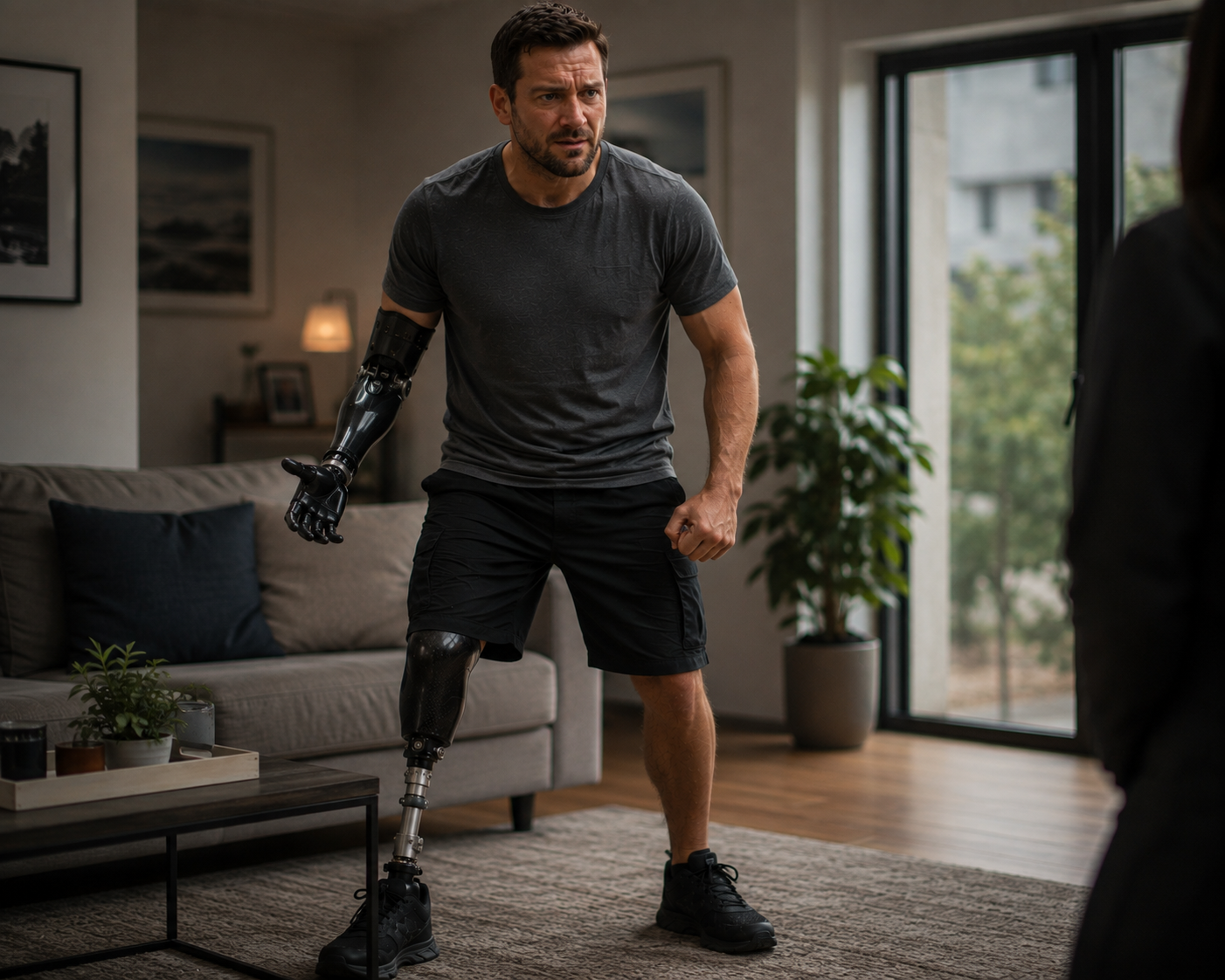
Depression After Amputation: Signs You Shouldn’t Ignore
By Kevin Gray
President & Co-Founder, Limbloss Connection
Depression is one of the most common complications after limb loss, yet many people don’t recognize it because they believe they are simply grieving. While sadness, frustration, anger, and uncertainty are normal after amputation, depression is different. It is a medical condition that affects your emotions, thoughts, motivation, sleep, relationships, and ability to participate in rehabilitation. Recognizing the warning signs early allows people to receive treatment sooner and often leads to better physical and emotional recovery.
Depression Is More Common Than Many People Realize
Research consistently shows that depression affects people living with limb loss at much higher rates than the general population. A 2024 systematic review of 61 studies involving 9,852 participants found that 33.9% of people experienced clinically significant depression following amputation. In practical terms, that means approximately one out of every three people will struggle with depression during their recovery.
Depression can occur immediately after surgery or months later, particularly after leaving the structured rehabilitation environment. Changes in independence, employment, finances, chronic pain, body image, and social participation all contribute. Understanding how common depression is helps reduce stigma and reminds people that they are not failing—they are experiencing a well-recognized medical condition.
Grief Versus Depression
Grief is a natural response to losing a part of your body and the life you expected. Grief tends to come and go in waves and usually allows moments of hope, laughter, or enjoyment. Depression is more persistent. Feelings of emptiness, hopelessness, or worthlessness remain present most days and begin interfering with daily life.
If your sadness continues for weeks, you lose interest in activities you once enjoyed, withdraw from others, or struggle to participate in physiotherapy or prosthetic training, it is important to discuss these symptoms with your healthcare team.
Warning Signs You Shouldn’t Ignore
Depression may appear differently from person to person. Common signs include persistent sadness, frequent crying, irritability, emotional numbness, loss of motivation, fatigue, difficulty concentrating, changes in appetite, sleeping too much or too little, feelings of guilt or worthlessness, and losing interest in hobbies or relationships.
Behavioural changes are equally important. Missing appointments, avoiding your prosthesis, declining invitations, neglecting personal care, or isolating yourself from family and friends may all signal that depression is becoming more serious.
Why Depression Develops
Depression after limb loss rarely has a single cause. Physical pain, phantom limb pain, residual limb discomfort, reduced mobility, financial pressures, changes in employment, altered body image, and uncertainty about the future often occur simultaneously. Many people also experience multiple medical conditions such as diabetes or vascular disease that add further emotional stress.
Research also shows that people with persistent pain report significantly higher levels of depression and anxiety. Sleep disturbances, common after amputation, can further worsen mood and reduce the energy needed for rehabilitation.
Treatment Can Make a Difference
Depression is highly treatable. Studies support cognitive behavioural therapy (CBT), appropriate antidepressant medication when prescribed, regular physical activity, structured daily routines, peer support, and maintaining meaningful social connections. These approaches often work best when combined rather than used individually.
Research consistently demonstrates that people who feel supported by family, friends, rehabilitation professionals, and peer support organizations report lower depression scores and better overall quality of life than those who recover in isolation.
How Family and Friends Can Help
Family members are often the first to notice that something has changed. Rather than trying to solve the problem, they can listen without judgement, encourage professional support, accompany loved ones to appointments, and help maintain daily routines. Simple acts such as regular phone calls, shared meals, or attending rehabilitation appointments together can reduce feelings of loneliness and hopelessness.
There Is Hope
Depression can convince people that recovery is impossible, but depression lies. Thousands of people living with limb loss recover emotionally every year and return to meaningful relationships, employment, travel, recreation, and community involvement. Recovery rarely happens overnight, but it does happen.
If you recognize these warning signs in yourself, speak with your physician, psychologist, social worker, rehabilitation team, or another trusted healthcare professional. Asking for help is one of the strongest steps you can take toward recovery. At Limbloss Connection, we believe no one should have to face depression—or limb loss—alone.
Key Research Highlights
• 33.9% pooled prevalence of clinically significant depression after amputation (61 studies; 9,852 participants).
• Phantom limb pain affects approximately 50–80% of people after amputation and is associated with increased depression and anxiety.
• Anxiety symptoms occur in roughly 20–35% of people following amputation.
• Strong social support is consistently associated with lower depression scores, greater prosthesis use, and improved quality of life.
• Early identification and treatment improve rehabilitation participation and functional outcomes.
References
Singh S, et al. Journal of Psychosomatic Research (2024).
Archives of Physical Medicine and Rehabilitation.
Journal of Rehabilitation Medicine.
Disability and Rehabilitation.
Canadian Prosthetics & Orthotics Journal.