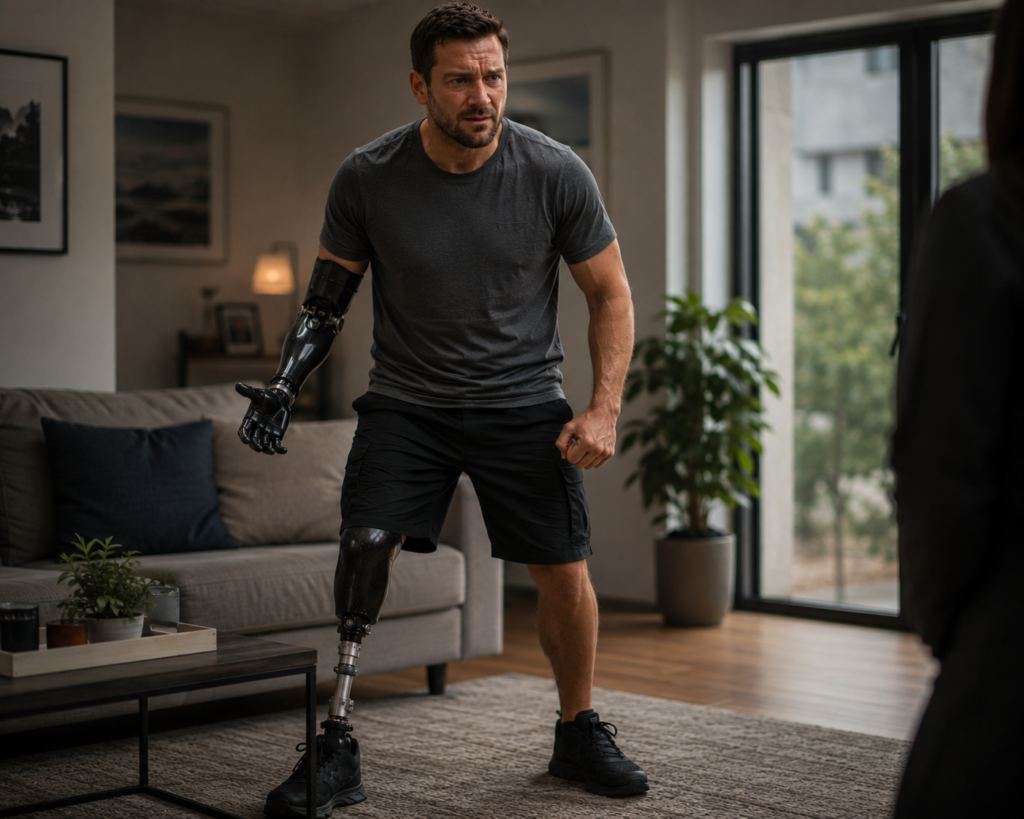
Managing Anger and Frustration After Becoming an Amputee
Why Anger Is a Normal Part of Recovery
After losing a limb, many people expect to feel sadness, grief, or fear, but they are often surprised by the intensity of their anger. Anger may be directed toward the event that caused the amputation, the healthcare system, other people, or even yourself. It may feel unfair that your life changed so dramatically while everyone else’s appears to continue as normal. These reactions are not signs of weakness or failure; they are a natural response to experiencing a profound loss.
Psychologists recognize anger as one of the common emotional responses to grief. Following an amputation, you are grieving not only the loss of a limb, but also the loss of routines, independence, confidence, and, in many cases, your previous identity. Many people become frustrated because they cannot do everyday tasks as easily as before or because recovery is taking longer than expected. These emotions deserve to be acknowledged rather than ignored.
Suppressing anger rarely makes it disappear. Instead, it often resurfaces as anxiety, depression, irritability, sleep problems, or conflict with loved ones. Recognizing anger early allows you to process it in healthier and more productive ways.
Understanding the Sources of Frustration
Frustration after amputation often comes from the accumulation of many small challenges rather than one single event. Every medical appointment, prosthetic adjustment, therapy session, transportation issue, or unexpected setback can gradually wear down your emotional resilience. What may appear to others as a minor inconvenience can feel overwhelming when you are already coping with physical pain, fatigue, and significant life changes.
Research suggests that approximately one-third to one-half of people experience clinically significant symptoms of anxiety or depression during the first year following a major limb amputation. Persistent pain, reduced mobility, financial pressures, and social isolation frequently contribute to emotional distress and increased frustration.
Common sources of anger and frustration include:
○ Phantom limb pain or residual limb pain
○ Slow rehabilitation progress
○ Difficulty achieving a comfortable prosthetic fit
○ Loss of independence and needing assistance
○ Financial concerns and employment changes
○ Changes in family roles and relationships
○ Body image and self-confidence challenges
○ Feeling isolated or misunderstood by others
Understanding the source of your frustration is important because different problems require different solutions. Some challenges improve with rehabilitation or equipment changes, while others benefit from counselling, peer support, or simply allowing yourself time to adapt.
Healthy Ways to Express Anger
Anger itself is not unhealthy; it is what we do with it that matters. Some people bottle up their emotions until they explode, while others withdraw from family and friends. Neither approach allows the underlying issues to be resolved.
Healthy coping begins with recognizing early warning signs such as muscle tension, impatience, racing thoughts, or feeling unusually irritable. Once you recognize these signals, you can respond before anger becomes overwhelming.
Helpful strategies include regular exercise within your physical abilities, deep breathing, mindfulness meditation, journaling, listening to music, creative hobbies, spending time outdoors, or talking with someone you trust. For many people, physical activity helps reduce stress hormones while improving mood and self-confidence.
Remember that asking for help is not a sign of weakness. Speaking openly with a psychologist, counsellor, social worker, or peer mentor can provide practical tools for managing emotions more effectively.
Give Yourself Permission to Grieve
Many people become angry because they believe they should already be ‘back to normal.’ Recovery after amputation rarely follows a straight line. There will be periods of progress followed by setbacks, illnesses, prosthetic problems, or emotional lows.
Grief has no timetable. Some days you may feel hopeful and motivated, while other days you may miss the life you once had. Both experiences are completely normal. Rather than judging yourself for having difficult days, acknowledge them with self-compassion. Healing emotionally takes just as much time as healing physically.
Communicate Before Anger Builds
Strong communication is one of the most effective ways to prevent anger from damaging relationships. Family members often want to help but may not know what you need. Likewise, healthcare providers cannot address concerns they do not know about.
Practice expressing your feelings honestly using calm, specific language. It is equally important to ask yourself whether your anger is actually covering another emotion such as fear, disappointment, embarrassment, loneliness, or sadness.
The Value of Peer Support
One of the greatest benefits of peer support is realizing that your emotional struggles are shared by many others. Meeting someone who has experienced similar setbacks and successfully adapted can restore hope when motivation is low.
Peer support also provides practical advice that healthcare professionals may not always offer. Learning how others managed difficult emotions, returned to work, travelled, raised families, or regained independence reminds you that recovery is possible. Perhaps most importantly, peer support reduces isolation and reinforces that you do not have to face limb loss alone.
When to Seek Professional Help
Occasional anger is normal, but persistent or overwhelming anger deserves professional attention. If your emotions are interfering with rehabilitation, damaging relationships, leading to substance misuse, or causing thoughts of harming yourself or others, reach out to a healthcare professional.
Mental health support is a routine part of rehabilitation. Therapies such as cognitive behavioural therapy, mindfulness, and peer support have helped many people adjust successfully after limb loss.
Moving Forward with Compassion
Managing anger and frustration after becoming an amputee is a lifelong skill rather than a one-time achievement. Every challenge you overcome strengthens your resilience.
Healing involves far more than physical recovery. Emotional healing deserves the same patience, effort, and support. By understanding your emotions, developing healthy coping strategies, surrounding yourself with supportive people, and celebrating small victories, you can gradually transform anger into acceptance, confidence, and hope. Your amputation is one chapter of your story, not the end of it.