Building Confidence After Becoming an Amputee
Confidence Doesn’t Disappear—It Changes
Losing a limb changes almost every aspect of life. It affects how you move, complete everyday tasks, interact with others, and often how you see yourself. For many people, one of the greatest losses isn’t physical—it’s the loss of confidence.
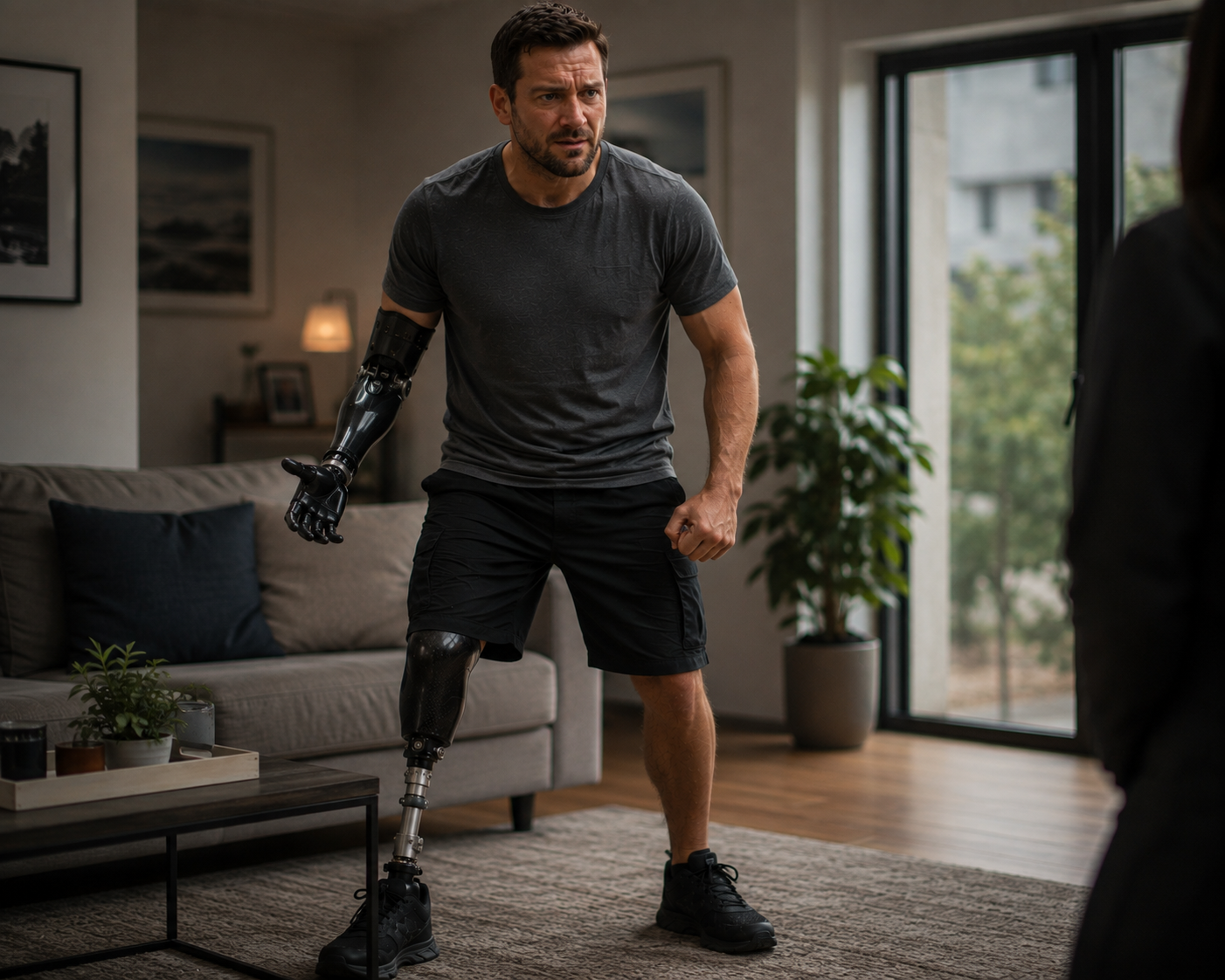
Confidence after amputation rarely disappears overnight. Instead, it slowly erodes through a series of difficult experiences. The first attempt at standing with a prosthesis. The first fall. Looking in the mirror and seeing a different body. Walking into a restaurant wondering if people are staring. Turning down invitations because everything suddenly feels harder than it used to.
These experiences are completely understandable, but they do not define your future.
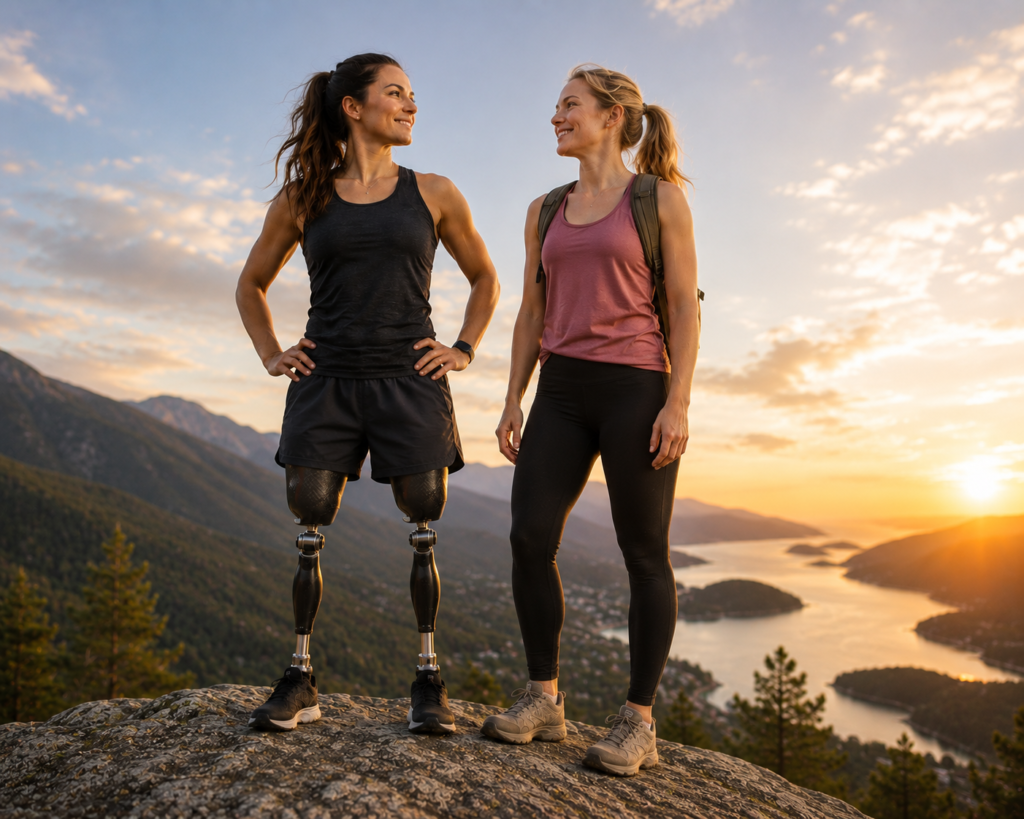
Thousands of people living with limb loss have rebuilt their confidence and gone on to live fulfilling, active, and meaningful lives. Confidence is not something reserved for people who walk perfectly with a prosthesis or return to elite sports. Confidence is built one small victory at a time, and every person living with limb loss has the ability to rebuild it.
The journey won’t always be easy, but it is absolutely possible.
Understanding Why Confidence Takes a Hit
After amputation, confidence is influenced by much more than physical ability. Many people experience grief similar to losing a loved one. You’re grieving the life you had, the body you knew, and sometimes the future you imagined.
Research suggests that between 30% and 50% of people experience symptoms of anxiety or depression during the first year following major limb loss. These emotional challenges can significantly affect self-esteem, motivation, and willingness to participate in everyday activities.
Common reasons confidence declines include:
○ Fear of falling or getting injured
○ Changes in body image
○ Loss of independence
○ Difficulty returning to work
○ Financial stress
○ Chronic pain or phantom limb pain
○ Feeling like a burden on family members
○ Social isolation
Recognizing these feelings is important because they are common—not personal failures.
Confidence Begins With Small Wins
Many people believe confidence comes before action. In reality, confidence usually comes after action. Waiting until you feel confident before trying something new often keeps people stuck. Instead, confidence grows from accomplishing tasks that once felt impossible.
Your first victory may simply be transferring safely from your wheelchair. Later it might be preparing a meal independently, walking to the mailbox, driving again, returning to work, or traveling. Every success becomes evidence that you are capable.
Keep a journal of accomplishments. Even small wins accumulate and slowly reshape how you view yourself.
Learning to Trust Your Body Again
After an amputation, your relationship with your body changes dramatically. Many people stop trusting themselves because they’ve experienced pain, falls, surgeries, infections, or prolonged hospitalizations. Rebuilding confidence means rebuilding trust.
Physical rehabilitation plays a major role, but so does patience. Celebrate progress instead of comparing yourself to where you were before your amputation. Confidence isn’t measured by how you move—it’s measured by believing that you can continue adapting.
Changing the Way You Talk to Yourself
The conversations we have with ourselves often become our biggest obstacle. Replace thoughts like ‘I can’t’ with ‘I can’t do it yet.’ Replace ‘My life is over’ with ‘My life is different, but it isn’t over.’ This isn’t about forced positivity; it’s about replacing hopelessness with possibility.
Don’t Compare Your Recovery to Someone Else’s
Social media can inspire, but it can also create unrealistic expectations. Every amputation and every recovery is different. Your timeline belongs to you. Progress measured against your own starting point is the only comparison that truly matters.
Reconnect With Activities That Bring You Joy
Confidence grows when life becomes meaningful again. Whether it’s gardening, fishing, photography, cooking, traveling, adaptive sports, or volunteering, reconnecting with activities you enjoy reminds you that your identity extends far beyond limb loss. Purpose fuels confidence.
The Power of Peer Support
One of the fastest ways to rebuild confidence is by connecting with someone who truly understands. Peer support offers practical advice, emotional reassurance, hope, and a reminder that you are not alone. Seeing another person living a full and meaningful life after limb loss changes what feels possible for your own future.
Confidence Isn’t About Perfection
There will still be difficult days. Confidence doesn’t mean pretending challenges don’t exist. True confidence means believing you can handle them. Resilience—not perfection—is what creates lasting confidence.
Celebrate How Far You’ve Come
Think about the person you were immediately after surgery and compare that to who you are today. You’ve survived surgeries, learned new skills, adapted to new ways of moving, and overcome challenges that most people will never understand. Give yourself credit for how far you’ve come.
Confidence Is a Journey, Not a Destination
Building confidence after becoming an amputee doesn’t happen overnight. Some days you’ll feel unstoppable and other days you’ll question yourself. Both are normal. Confidence is built through action, strengthened through experience, and sustained by connection with others. Losing a limb does not diminish your worth, your potential, or your ability to live a rich and meaningful life. With time, support, determination, and self-compassion, confidence returns—and often emerges stronger than ever before.