Building a Home That Supports Your Recovery
By Kevin Gray
President & Co-Founder, Limbloss Connection
Bilateral Below-Knee Amputee
Your Home Will Feel Different
When I returned home after my amputation, I quickly realized that my house hadn’t changed—but the way I moved through it had. Places I had never thought twice about suddenly demanded my full attention. A single step into the garage, a narrow hallway, a slippery bathroom floor, or reaching for something on a high shelf all became potential obstacles.
That realization was frustrating at first. My home had always been a place where I could relax. Suddenly it felt like an environment I had to learn all over again. Over time I discovered that the goal wasn’t to change everything about my home. It was to make thoughtful adjustments that made everyday activities safer, easier, and less physically exhausting.
Start With Safety, Not Perfection
Many people believe they need expensive renovations before they can live safely after an amputation. In reality, the most important changes are often the simplest. Removing loose rugs, securing electrical cords, improving lighting, keeping walkways clear, and placing frequently used items within easy reach can significantly reduce the risk of falls.
Falls are one of the most common complications after lower-limb amputation, particularly during the first year as people adapt to changes in balance and mobility. Research consistently shows that environmental hazards inside the home contribute to many preventable falls. Creating a safer environment allows you to focus your energy on recovery instead of constantly worrying about your next step.
Think Room by Room
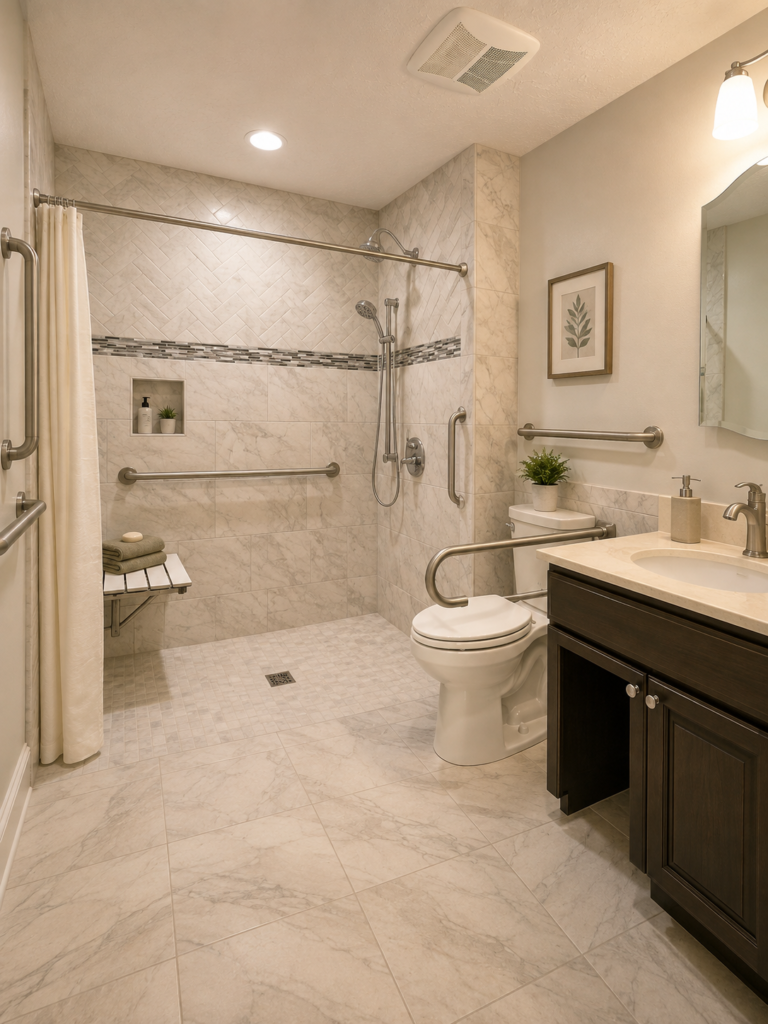
The bathroom is often the first place people identify as challenging. Wet surfaces, transfers, and limited space increase the risk of slipping. Grab bars, a shower chair, a handheld shower head, and non-slip flooring can make bathing much safer.
The kitchen presents different challenges. Frequently used dishes, food, and cookware should be stored between waist and shoulder height to reduce unnecessary reaching or bending. Planning where you prepare meals can reduce fatigue and improve safety.
Bedrooms should allow enough room to transfer comfortably between your bed, wheelchair, walker, or prosthesis. Even something as simple as moving a bedside table can make nighttime mobility easier.
Independence Is Built Through Preparation
One of the biggest lessons I learned was that independence isn’t about refusing help. It’s about setting yourself up for success. Organizing medications, charging mobility devices, preparing clothing the night before, and keeping emergency contact numbers nearby all reduce stress and help establish routines.
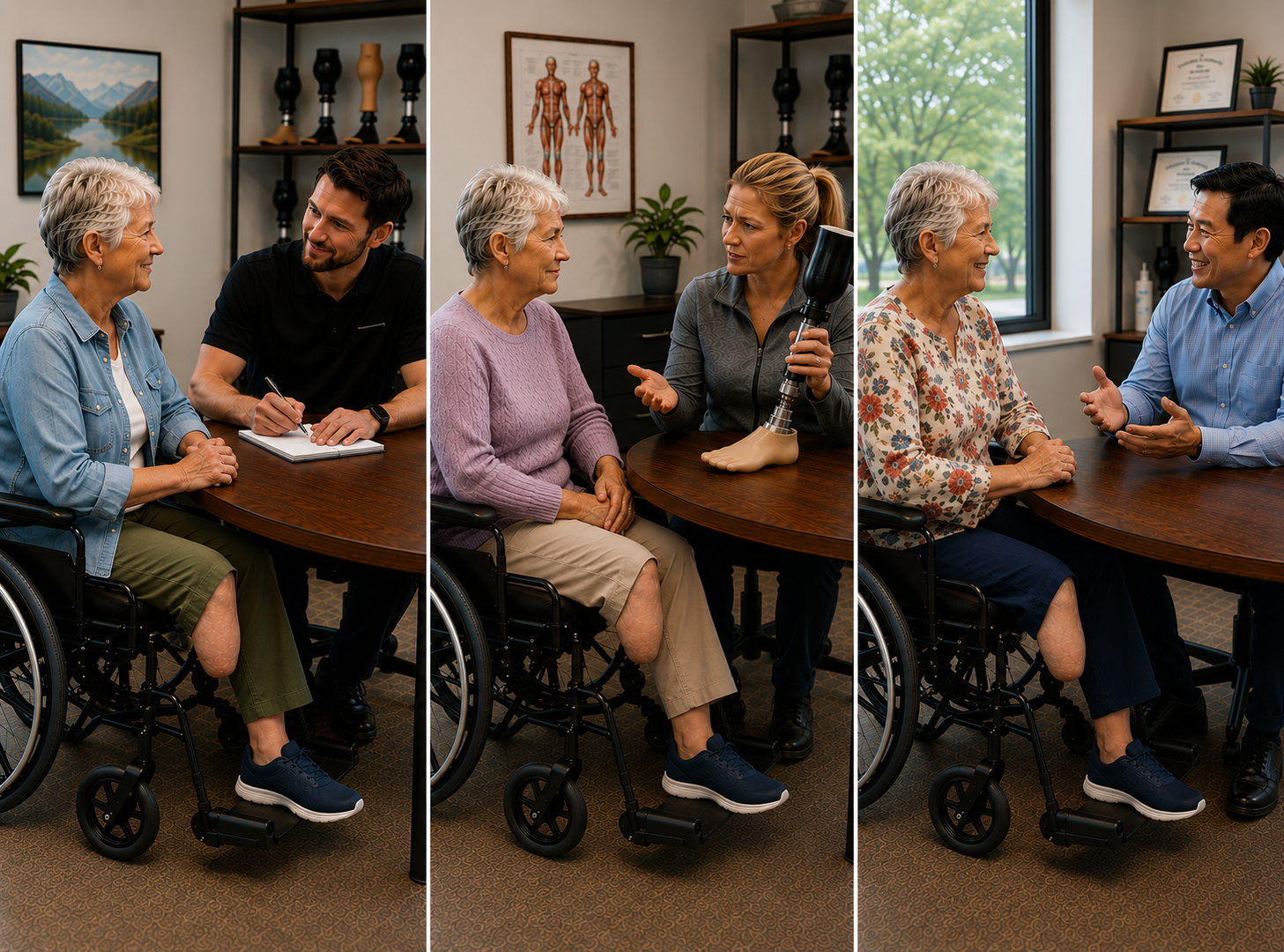
Occupational therapists are experts at identifying practical changes that improve independence. Their recommendations may seem small, but together they can dramatically increase confidence and reduce frustration.
Technology Can Make Life Easier
Today’s technology offers many opportunities to improve accessibility. Voice-activated assistants, smart lighting, video doorbells, automatic door openers, and medication reminders can simplify everyday tasks. While not everyone needs these tools, choosing technology that addresses your specific challenges can reduce physical effort and increase peace of mind.
Your Home Should Support Your Mental Health
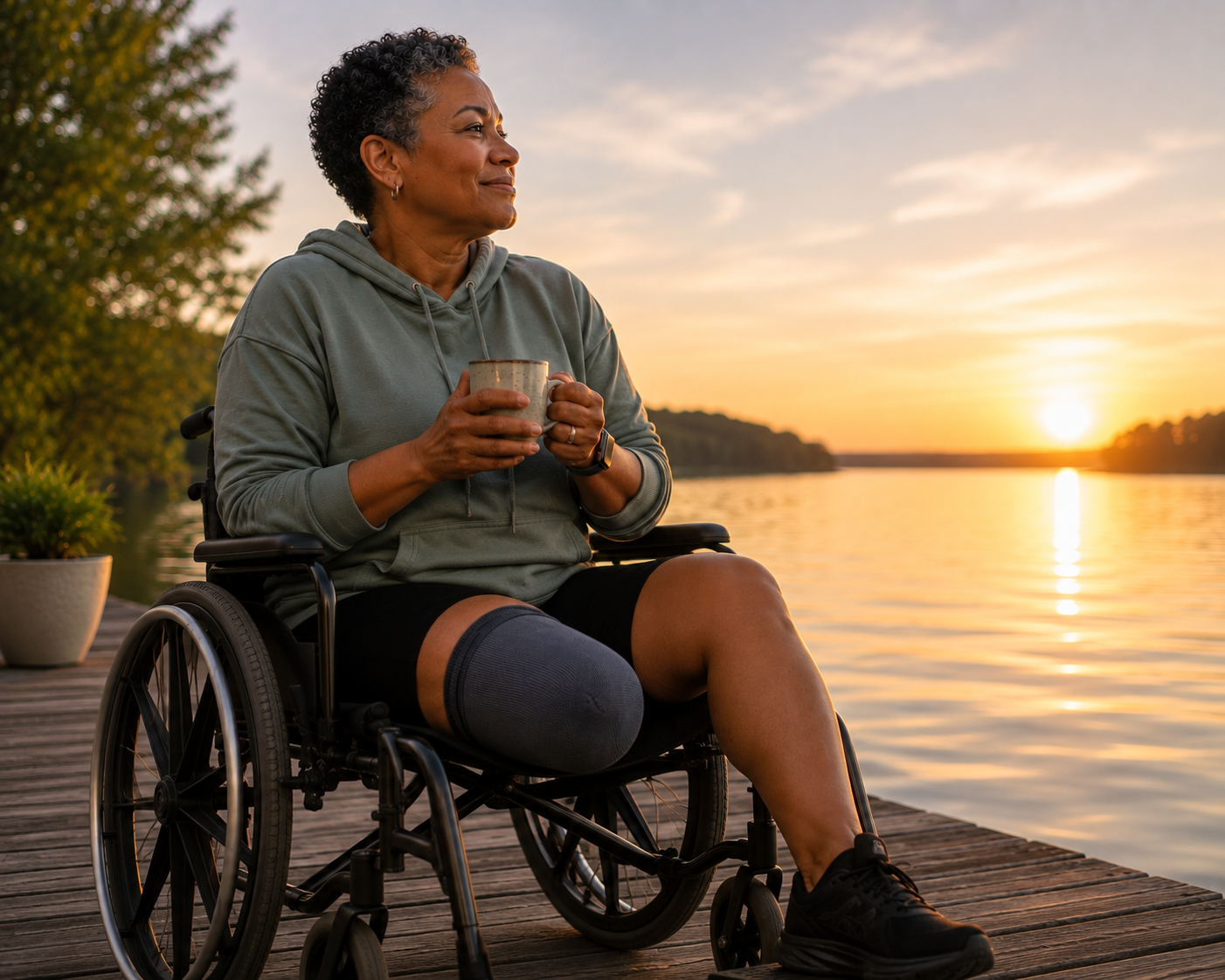
A safe home isn’t only about preventing falls. It’s also about creating a place where you feel comfortable, confident, and emotionally secure. During recovery it’s easy to become isolated if leaving the house feels difficult. Creating inviting spaces where family and friends can visit, maintaining hobbies, and staying socially connected are just as important as physical modifications.
Research has shown that people who feel confident in their home environment often report greater independence, better quality of life, and improved emotional well-being. Feeling safe allows you to focus less on what could go wrong and more on living your life.
References
• Archives of Physical Medicine and Rehabilitation
• Journal of Rehabilitation Medicine
• Disability and Rehabilitation
• Canadian Prosthetics & Orthotics Journal
• World Health Organization – Falls Prevention resources