What I Wish I Had Known Before Going Home
By Kevin Gray
President & Co-Founder, Limbloss Connection
Bilateral Below-Knee Amputee
The Day Finally Arrived
After weeks and, for many people, months in hospital and rehabilitation, the day you leave can feel like the finish line. I remember counting down the days, imagining what it would feel like to sleep in my own bed, eat at my own table, and simply enjoy being home again. I thought discharge would feel like the end of a difficult chapter.
Instead, I experienced two completely different emotions at the same time. I was excited to leave, but I was also anxious. Inside the hospital there was always someone nearby. If I struggled with a transfer, had a question about my medication, or wasn’t sure whether something was normal, help was only a few steps away. At home, that safety net suddenly disappeared.
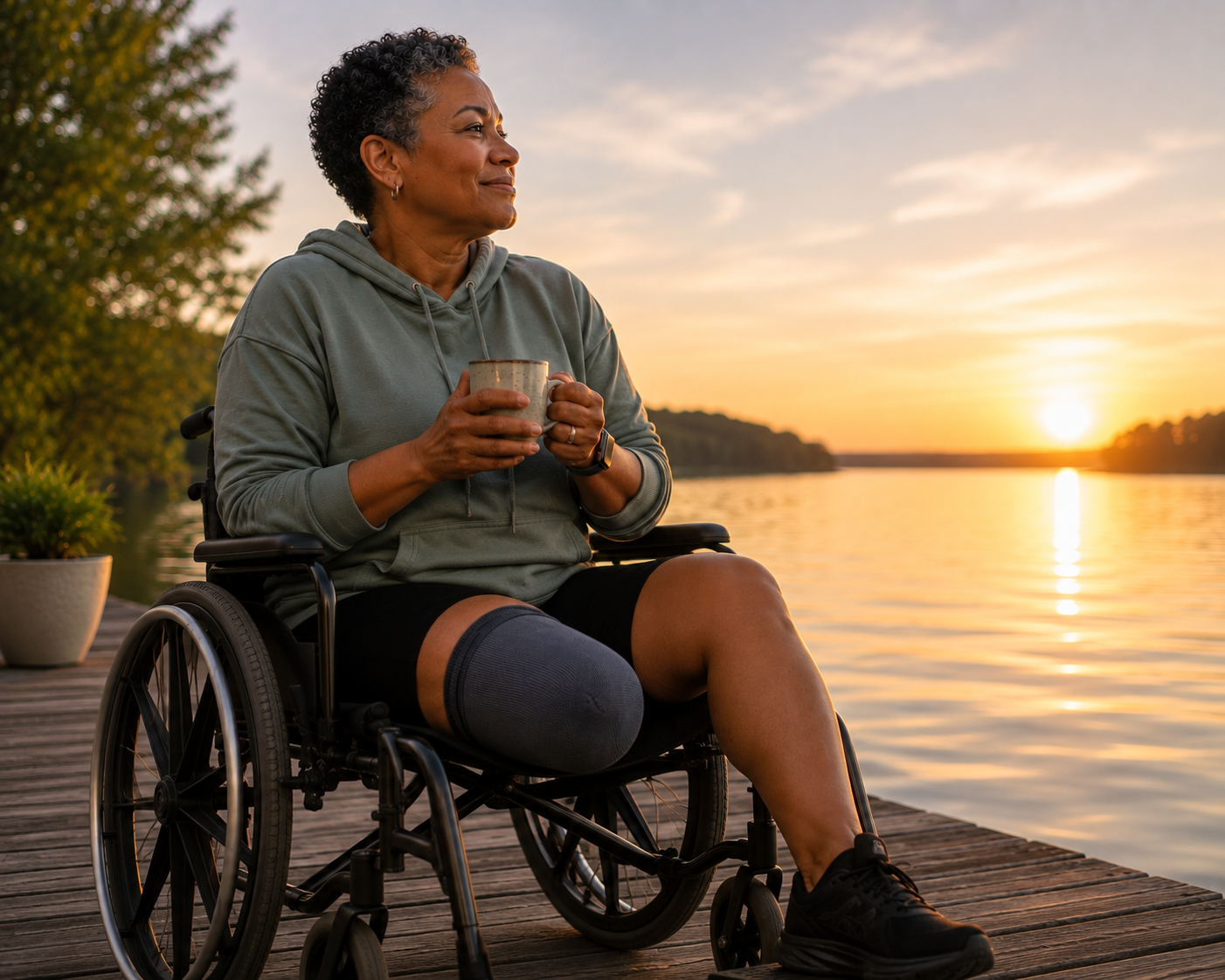
Looking back, I wish someone had told me that these mixed emotions were completely normal. Leaving the hospital isn’t simply a change of address. It’s a major life transition. You’re moving from an environment designed around recovery to one where you begin taking responsibility for your own daily care.
Why the Transition Matters
Research consistently identifies the transition from hospital to home as one of the most vulnerable periods following major illness or surgery. During this time, patients are adapting to new medications, new routines, reduced supervision, and increased responsibility for their own health. For people living with limb loss, there are additional challenges including wound care, mobility, pain management, emotional adjustment, and learning new ways to complete everyday activities.
Studies have shown that people who receive clear discharge instructions, have appropriate follow-up care, and feel supported after leaving hospital are less likely to experience preventable complications or require readmission. That reinforces an important message: preparing for discharge is part of rehabilitation, not something that happens after rehabilitation.
Home Will Feel Different
The first thing I noticed when I walked—or wheeled—through my front door was that my home hadn’t changed, but I had. Rooms I had moved through without thinking suddenly required planning. Simple activities such as making coffee, getting into the shower, carrying laundry, or answering the front door became small projects instead of automatic routines.
This isn’t failure. It’s adaptation. Give yourself time to rediscover your home. Rearranging furniture, installing grab bars, removing loose rugs, improving lighting, using a shower chair, or relocating frequently used items can make everyday life safer and less physically demanding. Occupational therapists often recommend making changes before you arrive home because even small adjustments can significantly reduce stress and improve independence.
Recovery Doesn’t End When You Leave
Many people believe discharge means rehabilitation is over. In reality, it’s the beginning of a new phase. Physical healing continues for months. Your strength, endurance, balance, and confidence will continue to improve, but not always at the pace you expect.
Some days you’ll feel like you’ve made enormous progress. Other days it may feel like you’ve gone backwards. That’s a normal part of recovery. Try not to measure success by dramatic milestones alone. Being able to transfer more easily, prepare a meal independently, or simply feel less anxious about moving around your home are meaningful signs that you’re progressing.
Ask Questions Before You Leave
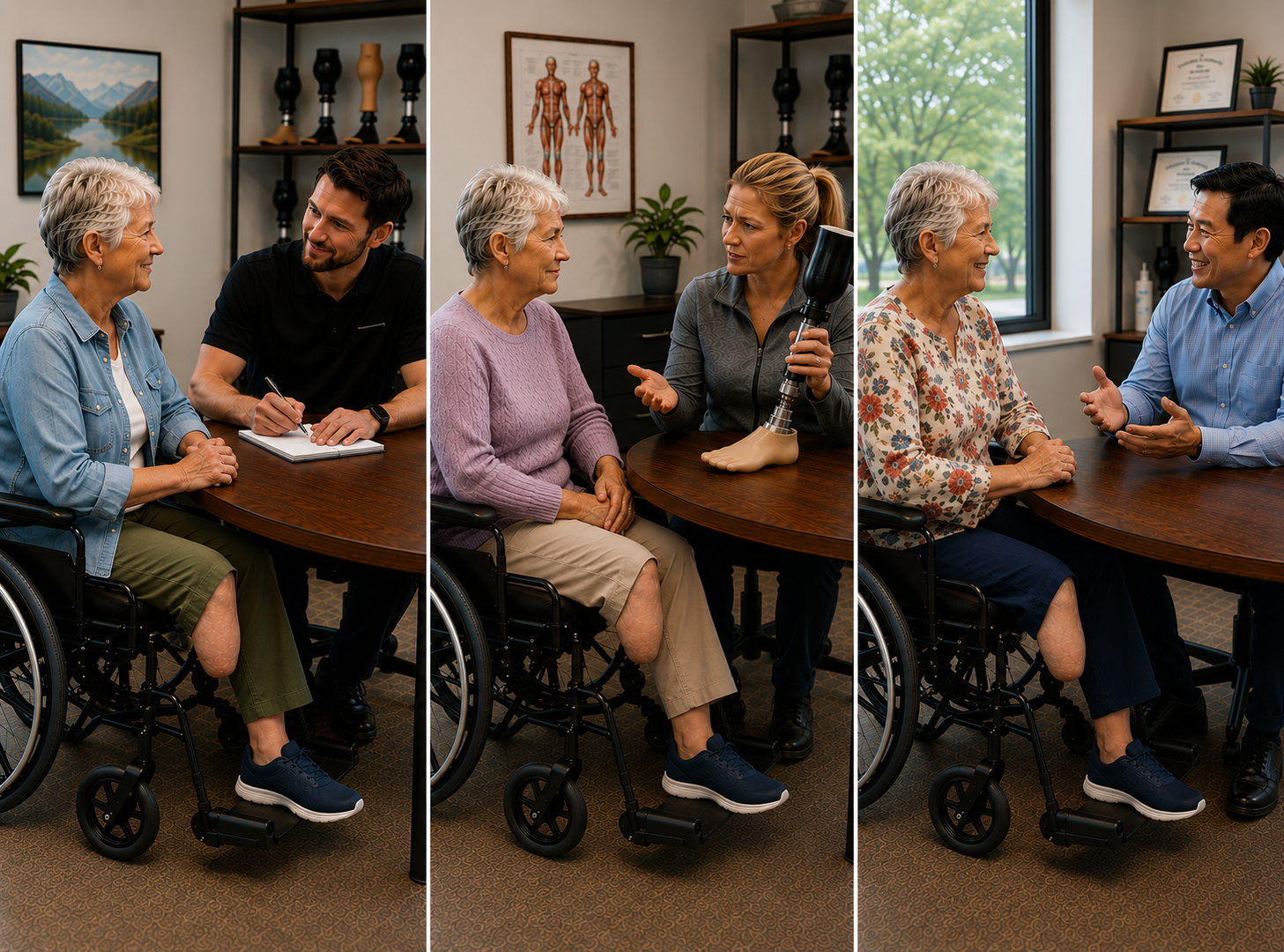
One of the best pieces of advice I can offer is to leave the hospital with answers, not uncertainty. Make sure you understand your medications, wound care, warning signs of infection, follow-up appointments, pain management plan, prosthetic referral process, and who to contact if something doesn’t seem right.
Don’t worry about asking too many questions. Healthcare professionals would much rather explain something twice than have you struggle at home because you were afraid to ask. If possible, have a family member or caregiver present during discharge instructions. They may remember details that are easy to forget during an emotional day.
Your Support Network Is Part of Your Rehabilitation
One lesson I learned is that recovery is never a solo journey. Family members, friends, healthcare professionals, prosthetists, physiotherapists, occupational therapists, peer supporters, and neighbours all contribute in different ways. Research consistently shows that people with stronger social support experience better emotional well-being, greater confidence, and improved participation in rehabilitation.
Accepting help isn’t giving up your independence. In many cases, it’s what allows you to become independent sooner. Let people help with groceries, transportation, appointments, or household tasks while you focus your energy on healing. Independence isn’t about doing everything yourself; it’s about knowing when support helps you move forward.
A Final Thought
If I could speak to myself on the day I left rehabilitation, I wouldn’t tell myself to recover faster or be tougher. I’d tell myself to be patient and to celebrate the small victories. Recovery isn’t measured in giant leaps. It’s measured in the countless little moments when life gradually becomes easier.
Leaving the hospital isn’t the end of your journey. It’s the beginning of learning how to live with confidence again. There will be setbacks, frustrations, and moments of doubt, but there will also be victories you can’t yet imagine. Trust the process, lean on the people around you, and remember that every step forward—no matter how small—is still progress.
References
• Archives of Physical Medicine and Rehabilitation
• Journal of Rehabilitation Medicine
• Canadian Prosthetics & Orthotics Journal
• Journal of Patient Safety
• Disability and Rehabilitation