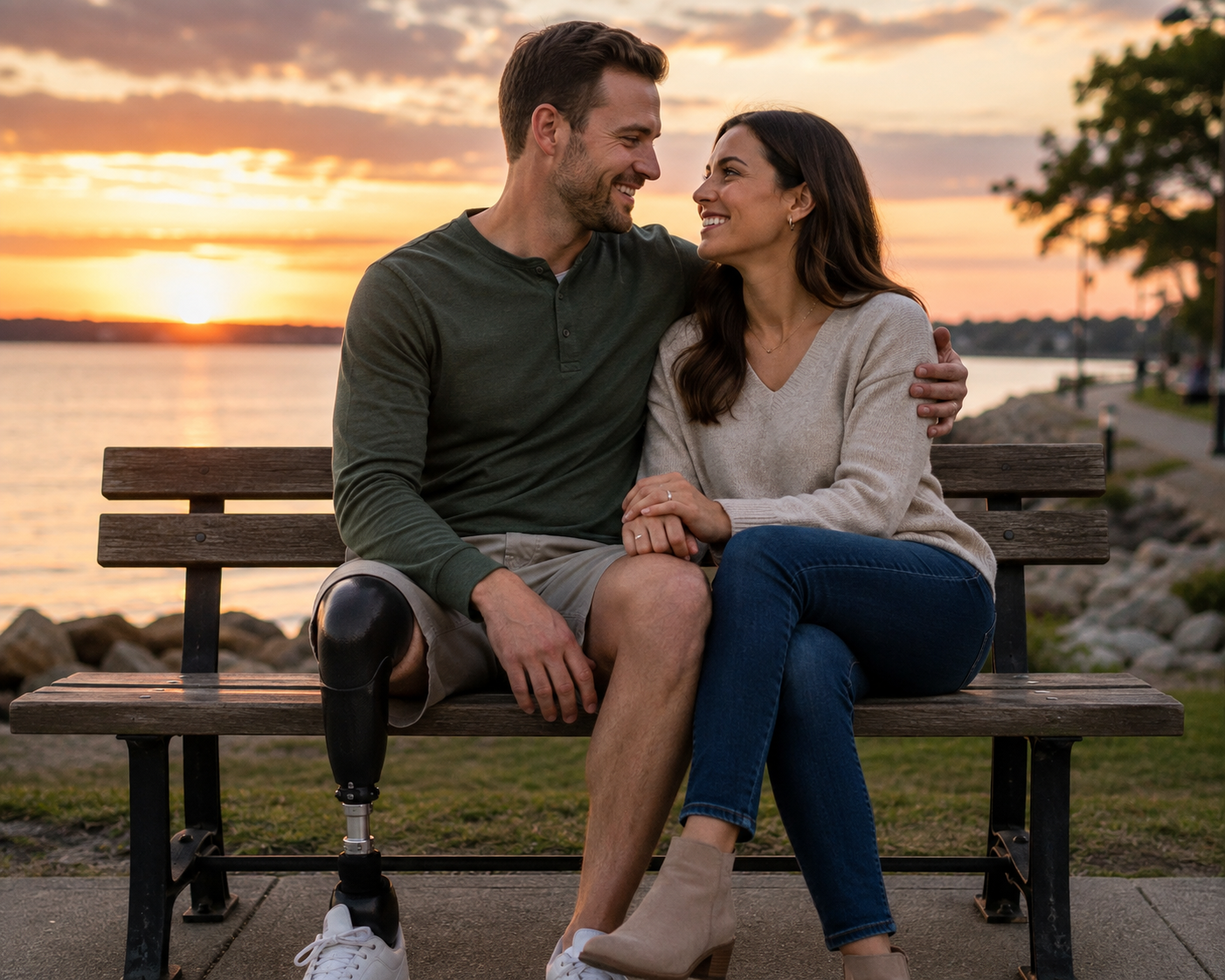
By Kevin Gray
President & Co-Founder, Limbloss Connection
Bilateral Below-Knee Amputee
Feeling Alone in a Room Full of People
One of the biggest surprises after losing my legs wasn’t the surgeries, the rehabilitation, or even learning to use prosthetic limbs. It was the loneliness. That probably sounds strange because I was rarely by myself. My wife was there. My family visited often. Nurses checked on me throughout the day. Physiotherapists challenged me to work harder than I thought I could. Occupational therapists patiently taught me new ways to accomplish everyday tasks. My doctors answered my questions and genuinely cared about my recovery.
I was surrounded by people, yet there were moments when I felt completely alone. It wasn’t because I lacked support. It was because I felt like no one truly understood what was happening inside my head. I was trying to process the loss of a part of my body while everyone around me was understandably focused on helping me heal. They wanted me to look forward, stay positive, and believe things would improve. I appreciated every bit of that encouragement, but there were also days when I simply wanted someone to understand why I was grieving.
Nobody Really Understands… Until Someone Does
One day during my rehabilitation, I had the opportunity to talk with another amputee. I honestly didn’t expect much from the conversation. I thought we would compare prosthetic legs or talk about therapy. Instead, I found something I didn’t realize I had been missing.
For the first time since my amputation, I was talking to someone who didn’t need me to explain everything. They understood phantom pain. They understood the frustration of needing help with simple tasks. They understood why some mornings felt hopeful while others felt overwhelming. They didn’t try to fix my emotions. They simply understood them. That conversation reminded me that sometimes healing begins when someone quietly says, ‘I know exactly what you mean.’
The Power of Being Understood
Looking back now, I don’t think I needed someone to solve my problems. I needed someone to remind me that my feelings were normal. There is a remarkable difference between sympathy and understanding. Sympathy says, ‘I’m sorry this happened to you.’ Understanding says, ‘I’ve been there.’ Those words carry a different weight because they come from lived experience.
Research has shown that people recovering from major life changes often experience better emotional adjustment when they feel connected to peers who share similar experiences. That didn’t surprise me because I had already experienced it firsthand. The more conversations I had with other amputees, the less isolated I felt.
You Don’t Have to Pretend You’re Okay
One mistake I made early in my recovery was believing I always had to appear strong. Whenever someone asked how I was doing, I automatically answered, ‘I’m fine,’ even when I wasn’t. Eventually I realized that being honest wasn’t a weakness. Some days I was frustrated. Some days I was exhausted. Some days I was frightened about the future. Admitting those feelings didn’t slow my recovery. If anything, it helped me move forward because I stopped carrying the weight by myself.
Healing Happens Through Conversation
Some of the most meaningful moments in my recovery happened during ordinary conversations. Sometimes I learned something practical. Sometimes I simply laughed with someone who understood the strange realities of living with limb loss. Those conversations reminded me that every challenge I was facing had probably been experienced by someone else. That realization made difficult days feel a little less overwhelming and hopeful days feel even brighter.
You Are Not Walking This Journey Alone
If you’re reading this shortly after your amputation, or perhaps years later while still feeling isolated, I want you to remember one thing: you don’t have to carry this journey by yourself. There are people who understand your fears because they’ve experienced them. There are people who understand your victories because they remember earning their own.
One day you’ll realize that some of the most important moments in your recovery weren’t the big milestones everyone celebrated. They were the conversations that reminded you life wasn’t over. Those conversations helped me discover that life after limb loss could still be meaningful, fulfilling, and filled with hope. I sincerely hope they do the same for you.