Why Connection Is One of the Most Important Parts of Recovery
By Kevin Gray
President & Co-Founder, Limbloss Connection
Bilateral Below-Knee Amputee
Recovery Is Not Meant to Be a Solo Journey
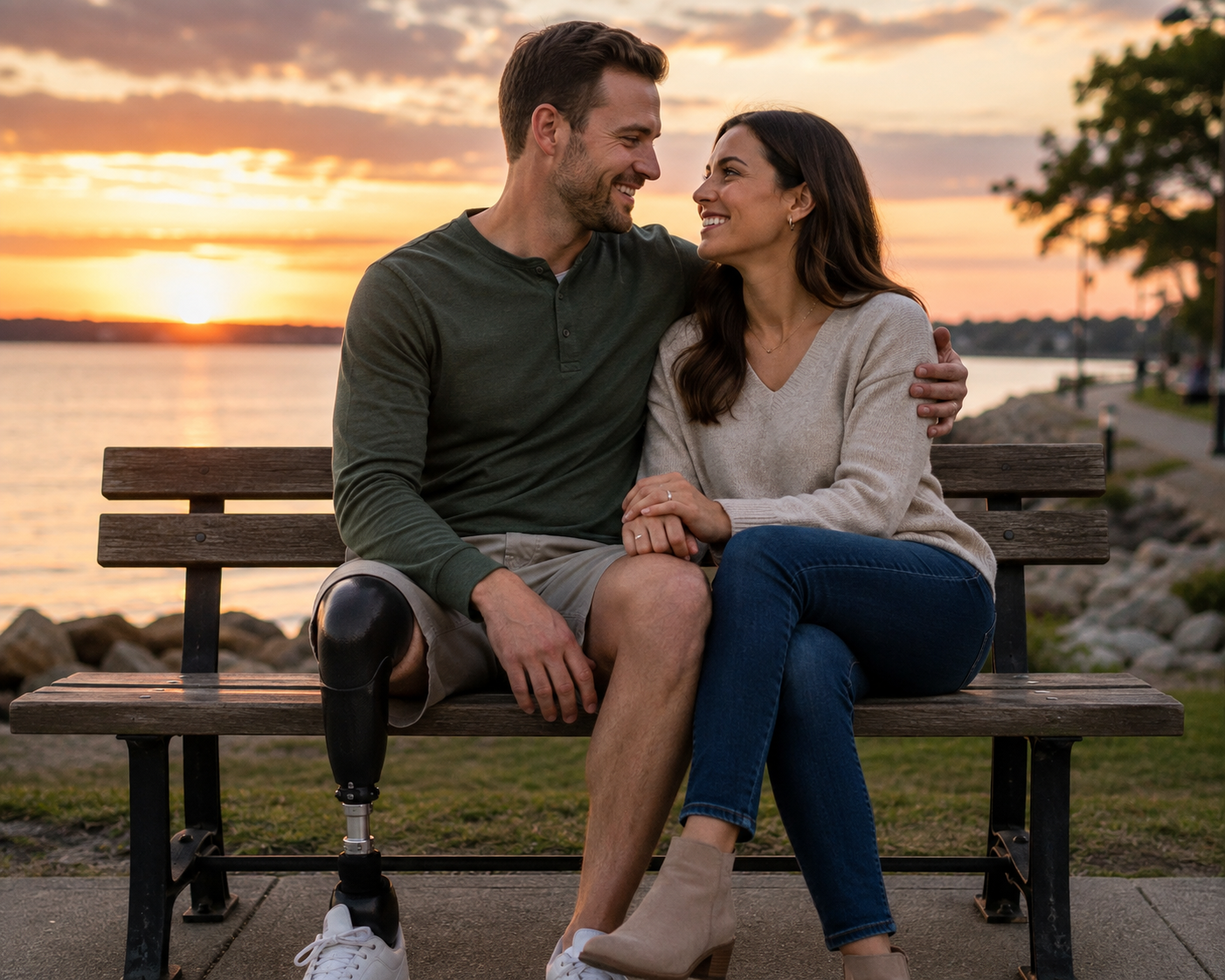
One of the biggest misconceptions after an amputation is that recovery is something you should be able to manage on your own. Many of us don’t want to burden family or friends, and asking for help can feel like losing our independence. I felt that way too. Over time, I realized that building a strong support network didn’t make me less independent—it gave me the confidence to become more independent.
Recovery involves physical healing, learning new skills, managing emotions, navigating healthcare, and adapting to a different way of living. No single person can meet every need, which is why a diverse support network is so valuable.
Why Social Support Matters
Research consistently shows that social support is one of the strongest predictors of successful adjustment after limb loss. Studies have found that people who report stronger social support generally experience lower rates of depression and anxiety, greater participation in rehabilitation, higher prosthetic satisfaction, and better overall quality of life.
Research also estimates that approximately one in three people living with limb loss experience clinically significant symptoms of depression at some point following amputation, highlighting the importance of meaningful human connection during recovery. Support does not eliminate these challenges, but it can reduce isolation and improve resilience.
Your Support Network Has Different Roles
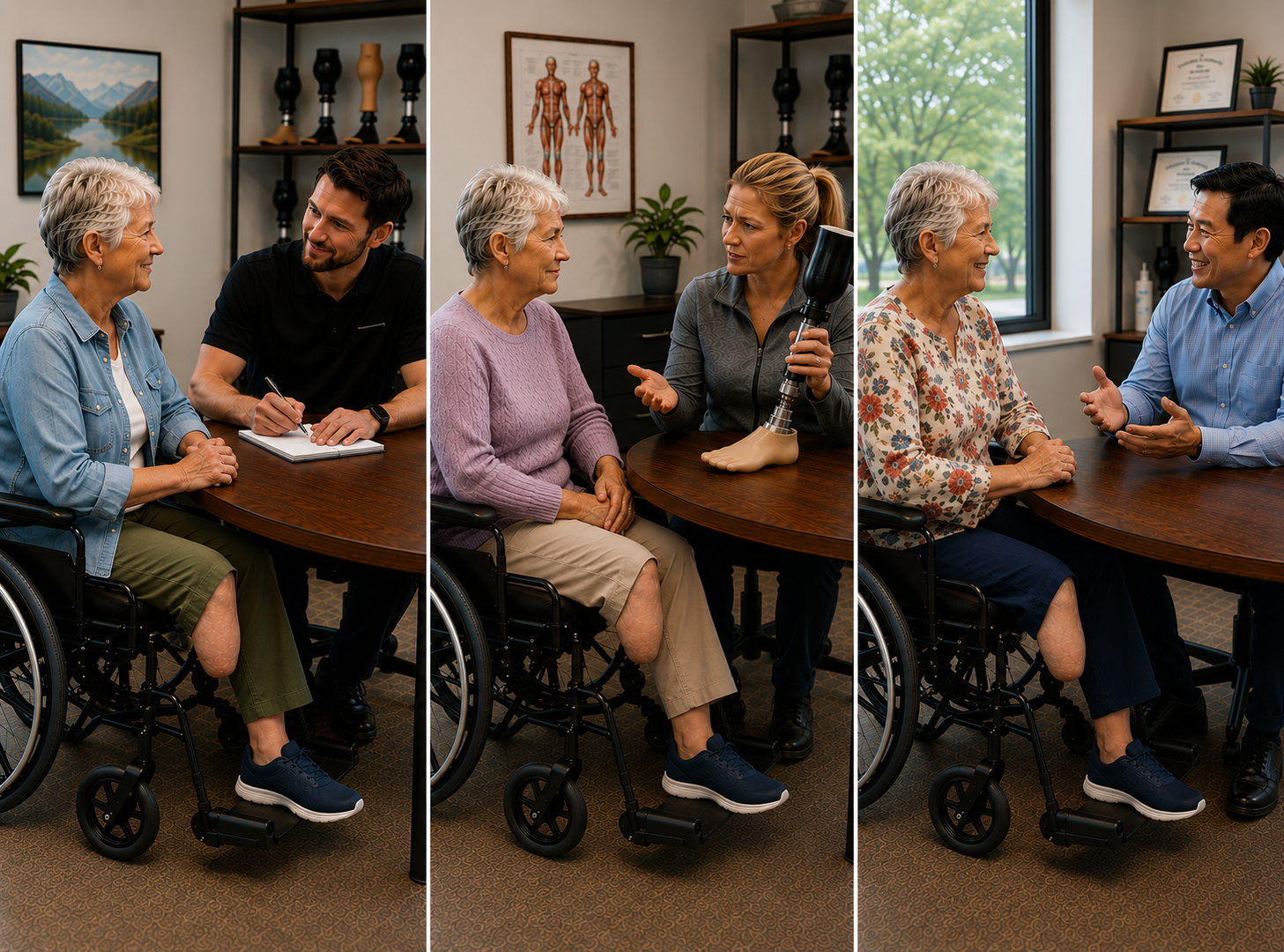
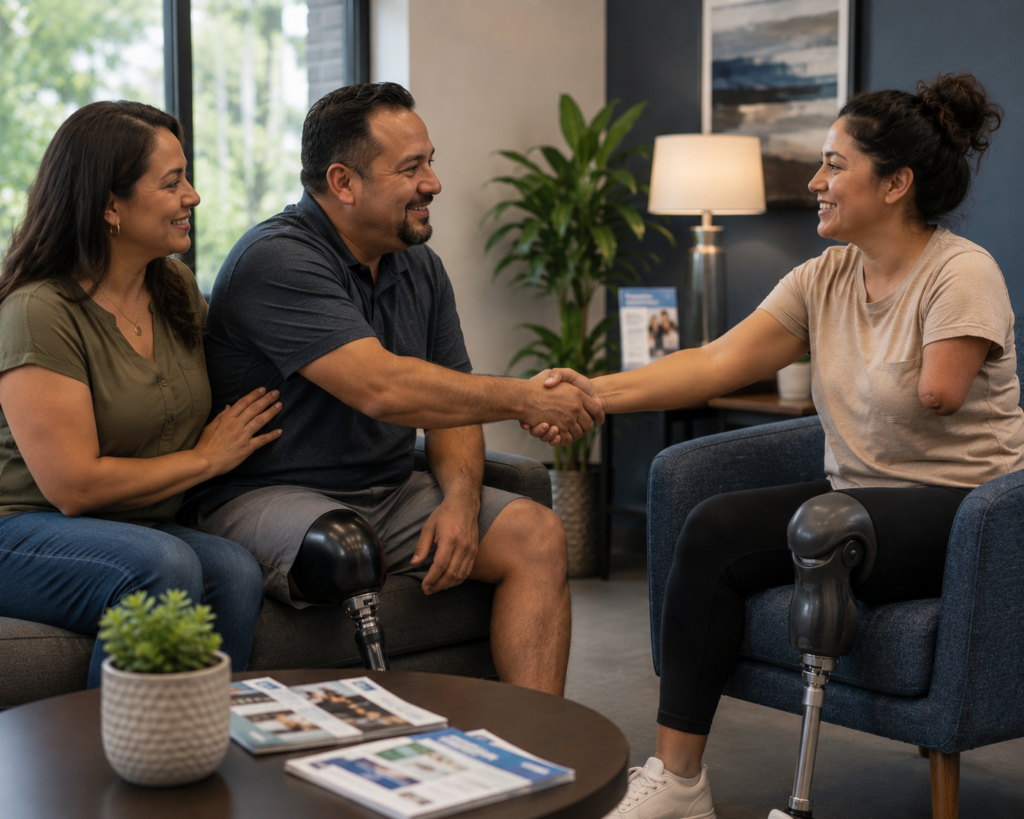
Your support network should not rely on one person. Family members often provide practical and emotional support, while friends help maintain a sense of normalcy. Physiotherapists, occupational therapists, prosthetists, physicians, nurses, social workers, and psychologists each contribute their own expertise. Peer supporters add something equally important—lived experience.
Connecting with someone who has already walked the path can answer questions that healthcare professionals simply cannot answer from personal experience. Practical advice about returning to work, travelling, managing phantom pain, or simply rebuilding confidence often comes from people who have lived it.