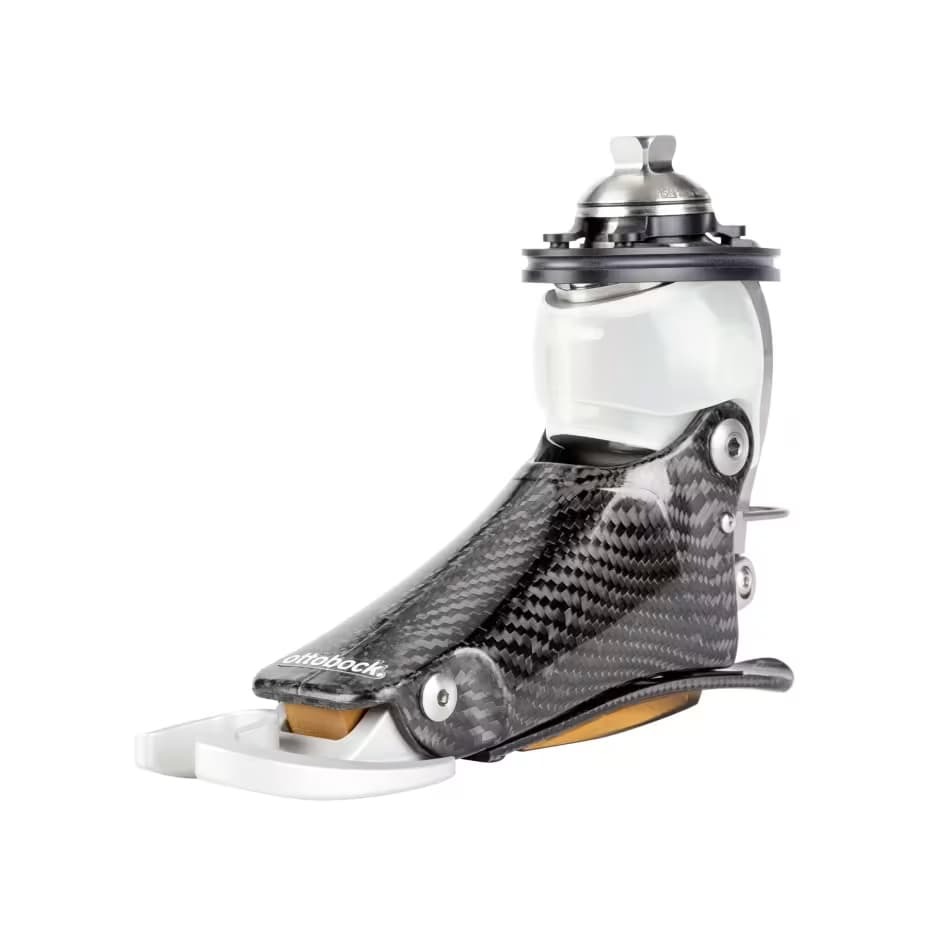
Questions to Ask Before Buying a Prosthetic Component
Choosing a prosthetic component can be exciting, but it can also be confusing. Modern prosthetic feet, knees, hands, wrists, elbows, suspension systems, and other components can differ dramatically in technology, weight, durability, maintenance, and cost.
A product may look impressive in a brochure or demonstration and still not be the best choice for your everyday life. The most advanced component is not automatically the most useful one, and the most expensive option is not necessarily the best fit for your goals.
Before agreeing to a component, take the time to understand why it is being recommended, what it can realistically do, what its limitations are, and what owning it will involve over the next several years. A good prosthetic decision should be based on your body, your activities, your environment, and your priorities.
Start With Your Life, Not the Product
Before comparing brands and features, think about what you actually want your prosthesis to help you do. Your needs should drive the component selection—not the other way around.
Consider a typical week. Do you mainly walk indoors, or are you regularly on grass, gravel, ramps, or uneven terrain? Do you work on your feet? Do you travel frequently? Do you want to hike, golf, cycle, swim, garden, cook, use tools, or return to a particular job?
For upper-limb users, think about the objects you handle most often and whether grip strength, precision, durability, appearance, or the ability to change terminal devices matters most.
The clearer you are about your real-world goals, the easier it becomes to judge whether a component offers a meaningful benefit.
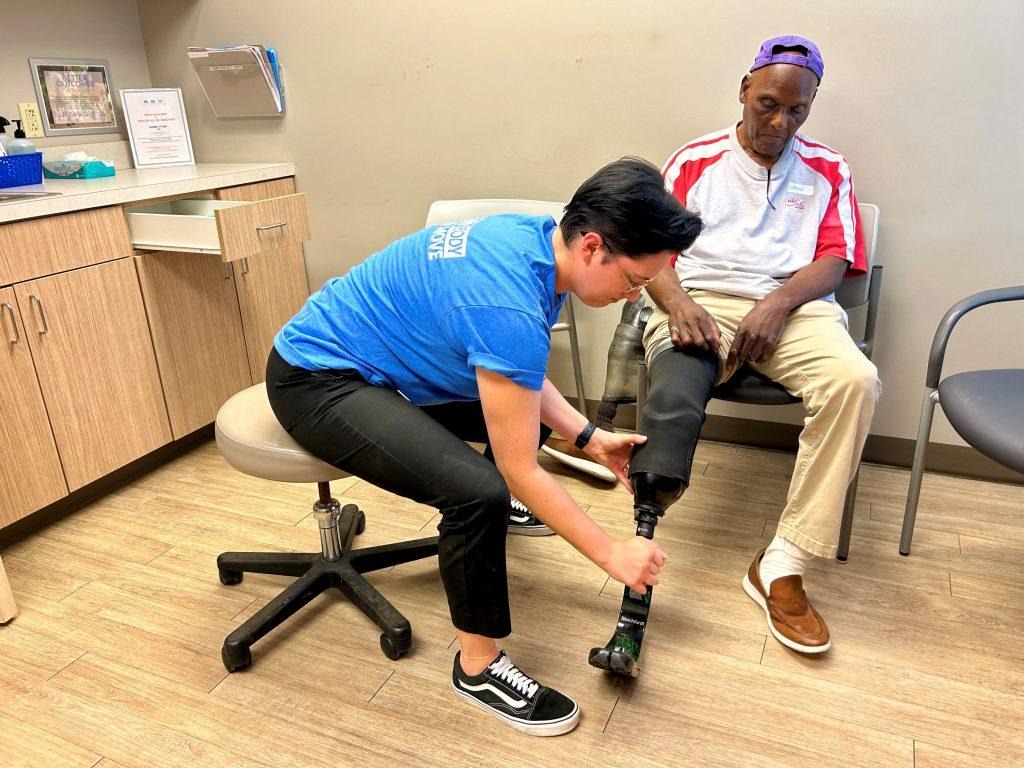
A prosthetic fitting is a collaborative process. Discuss how a proposed component fits your everyday goals before making a final decision.
Why Are You Recommending This Component for Me?
This may be the most important question you can ask your prosthetist.
A recommendation should have a reason behind it. Your prosthetist should be able to explain how the component relates to your level of limb loss, strength, balance, residual-limb condition, activity level, mobility goals, and the other parts of your prosthesis.
Instead of accepting an answer such as “this is a good foot” or “this is our usual knee,” ask what makes it a good choice specifically for you.
A useful explanation might focus on stability, energy return, terrain adaptation, grip function, weight, water resistance, or another feature that addresses something important in your life.
What Are the Alternatives?
There is rarely only one possible prosthetic component. Ask what other components could meet the same goal and why the recommended option is being preferred.
Comparing two or three realistic choices can make the trade-offs much clearer. One foot may be lighter while another provides more terrain adaptation. One knee may offer advanced electronic control while another is simpler and easier to maintain. One hand may offer many grip patterns while another provides stronger grip or greater durability.
The question is not which component has the longest feature list. It is which set of advantages and limitations best matches your priorities.
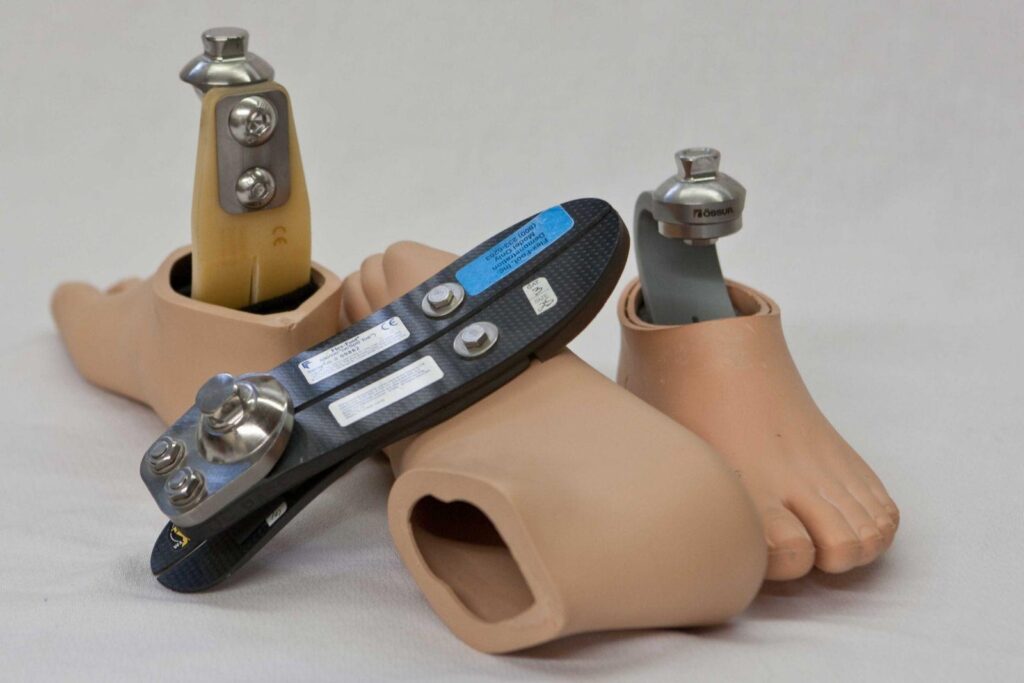
Modern prosthetic systems are modular. Different feet, adapters, sockets, knees, hands, and other components can create very different prosthetic systems.
Can I Trial It Before I Commit?
Whenever possible, ask whether the component can be trialled. A component that feels impressive during the first few minutes may feel very different after extended use.
A meaningful trial should involve more than walking a few steps down a clinic hallway or opening and closing a prosthetic hand several times. Try activities that resemble your real life.
For a lower-limb component, that might include sitting and standing, turning, ramps, different walking speeds, uneven surfaces, stairs where appropriate, and longer periods of walking. For an upper-limb component, try objects you actually use—cups, utensils, a phone, clothing, tools, bags, or work-related items.
Ask whether the prosthesis will be properly aligned or configured for the trial. A poorly adjusted component may not provide a fair comparison.
How Much Does It Weigh?
Weight is easy to underestimate when you are focused on technology.
An extra few hundred grams may not seem significant when you hold a component in your hand, but the effect can be very different when it is attached to your body for many hours.
For upper-limb prostheses, additional weight can increase the load on the residual limb, shoulder, neck, and back. For lower-limb users, weight and where that weight is located can influence how the prosthesis feels during walking.
Ask about the weight of the complete system, not only the individual component.
What Will This Component Actually Make Easier?
Marketing descriptions often focus on features: microprocessors, sensors, multiple grip patterns, hydraulic movement, carbon-fibre energy return, powered joints, or smartphone connectivity.
Translate every feature into a practical question: What will this help me do?
If a foot adapts to slopes, will that matter on the terrain you encounter every day? If a hand offers numerous grip patterns, how many will you realistically use? If an electronic knee has several activity modes, which ones apply to your lifestyle?
Technology is valuable when it creates a meaningful improvement in comfort, safety, function, or participation.
What Are the Limitations?
Every prosthetic component has limitations. Knowing them before purchase is far better than discovering them afterward.
Ask about situations where the component may not perform well. That could include water, sand, dust, cold weather, heat, high-impact activities, certain sports, heavy loads, or particular movements.
For powered components, ask what happens if the battery dies. For mechanical components, ask what wear you should expect. For sophisticated hands or knees, ask whether all functions remain available in every environment.
A prosthetist should be comfortable discussing both the strengths and the weaknesses of a component.
How Durable Is It for the Way I Live?
A component that works well in a controlled clinic environment may face very different conditions in everyday life.
Think about your work, hobbies, climate, travel, and home environment. Someone working around dust, tools, water, or machinery may need a different component from someone whose primary activities take place in an office.
Ask about impact limits, environmental ratings, recommended activities, and whether there are situations that could void the warranty.
Can It Get Wet?
Water resistance is an area where assumptions can become expensive.
Terms such as water-resistant, weather-resistant, splash-resistant, and waterproof do not mean the same thing. Even when one component can be submerged, the complete prosthesis may contain other parts that cannot.
If showering, swimming, boating, fishing, beach activities, or working around water matters to you, explain that before the component is selected. Ask exactly what kind of exposure is permitted and what cleaning or drying is required afterward.
How Much Maintenance Will It Need?
The purchase price is only part of the cost of owning a prosthetic component.
Ask how often it should be professionally serviced and what routine care you will need to perform yourself. Electronic components may require charging, battery replacement, software updates, or specialized servicing. Mechanical systems may have wear parts that eventually need attention.
Find out whether service can be performed locally or whether the component must be sent to the manufacturer. If it has to be shipped away, ask how long repairs typically take and whether a loaner component is available.
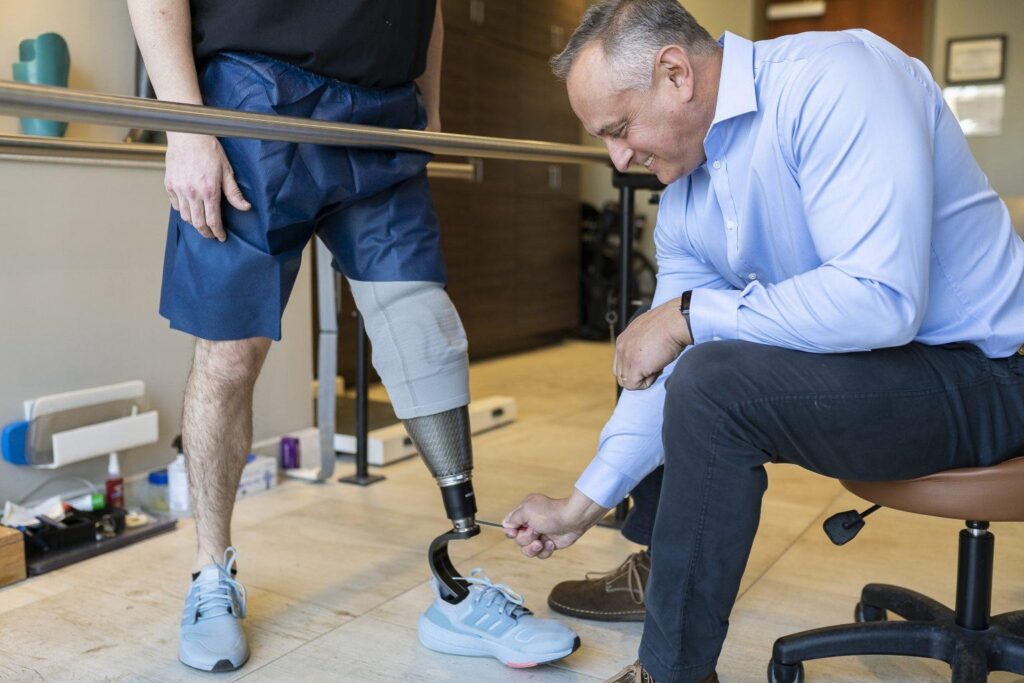
Adjustments and follow-up are part of prosthetic care. Ask what servicing a component will require and whether it can be handled locally.
What Happens If It Breaks?
This question is particularly important if you depend on your prosthesis for work, transfers, walking, driving-related tasks, or other essential daily activities.
Ask what the repair process looks like. Does the clinic stock common replacement parts? Can the prosthetist repair the component, or does it have to go back to the manufacturer? How long might you be without it?
For an expensive or specialized component, ask whether there is a loaner program while yours is being repaired.
What Is the Warranty?
Do not assume all components have the same warranty. Ask how long the warranty lasts, what it covers, and what it excludes.
Find out whether labour, shipping, batteries, cosmetic coverings, accidental damage, and water damage are included. Ask what happens when the warranty expires and whether an extended warranty is available.
Keep a copy of the warranty and the model and serial number of major components.
What Is the Total Cost – Not Just the Component Price?
The price of the component may not represent the total amount you will eventually pay.
Depending on the system, there may be costs associated with the socket, adapters, liners, suspension, cosmetic coverings, batteries, chargers, programming, fitting, maintenance, replacement parts, or future repairs.
Ask for a written estimate whenever possible so you understand the complete financial picture.
What Will My Funding or Insurance Cover?
Funding rules vary considerably. In Ontario, for example, prosthetic devices may involve programs such as the Assistive Devices Program, ODSP, WSIB, Veterans Affairs, Non-Insured Health Benefits, or private insurance, depending on the person’s circumstances.
Coverage may also differ between the basic component and an upgraded option. Ask your prosthetist which portion is funded, what documentation is required, and what amount you would personally be responsible for.
Do not assume that approval for the initial purchase means future repairs, replacement liners, batteries, or replacement components will be covered in the same way.
Will Choosing This Component Affect Future Funding?
This is a question people do not always think to ask.
Some funding programs have rules about replacement intervals or upgrades. Before paying extra for a particular component, ask whether that decision could affect future eligibility, repair coverage, or replacement funding.
If you are considering paying privately for an upgrade, make sure you understand what happens several years later when that component needs replacement.
Is It Compatible With the Rest of My Prosthesis?
Prosthetic components do not operate in isolation. A new foot, knee, hand, wrist, or suspension system needs to work with the rest of the prosthesis.
For above-knee users, the interaction between the knee and foot can be especially important. For upper-limb users, a hand or terminal device may affect the wrist, battery, control system, and overall weight.
Ask whether choosing one component limits your ability to use other components later.
How Will It Affect My Socket or Alignment?
Changing a component can alter the way the entire prosthesis behaves. A different foot may have a different build height, stiffness, or heel-height requirement. A different knee can change alignment and walking characteristics. A heavier terminal device can affect an upper-limb socket and suspension.
Ask whether the existing socket and alignment can be retained or whether additional changes will be necessary.
How Does It Perform in the Activities That Matter to Me?
This is where the conversation becomes personal.
Tell your prosthetist what you want to do, even if it seems unrelated to prosthetics. If you want to golf, garden, travel, stand at a workbench, walk your dog, cook, cycle, swim, hike, play with grandchildren, or return to a particular job, say so.
A component should be evaluated in terms of the life you want to live—not simply how well it performs in a clinic.
What Do Other Users Say About It?
Clinical expertise is essential, but user experience can reveal practical details that do not always appear in product literature.
Ask whether your prosthetist has other patients using the component and what kinds of feedback they have received. Peer communities can also be useful for learning about durability, noise, charging, travel, maintenance, and real-world comfort.
Remember that another person’s experience does not predict yours. Differences in amputation level, socket fit, health, strength, activity, and goals can make the same component feel completely different.
How Long Has This Component Been Available?
New technology can be exciting, but there can be value in knowing how long a component has been used in everyday clinical practice.
Ask whether it is a newly released product or a well-established design. If it is new, ask how repairs, software support, replacement parts, and warranty service are being handled.
Being an early adopter is not necessarily a problem, but it should be an informed choice.
How Much Training Will I Need?
A sophisticated component may require training before you can take advantage of its capabilities.
Microprocessor knees, powered ankles, multi-articulating hands, myoelectric systems, and other advanced components may require practice, programming, and rehabilitation.
Ask whether physiotherapy or occupational therapy is recommended and whether the therapist has experience with the specific technology.
Does It Require a Phone or App?
Some modern prosthetic components use smartphone apps to change settings, select modes, monitor battery status, or provide other controls.
If an app is part of the system, ask whether the prosthesis still functions normally without the phone. Find out which phones and operating systems are supported and whether the app is expected to remain available throughout the useful life of the component.
Also ask which settings you can safely change yourself and which should only be adjusted by your prosthetist.
What Should I Compare During a Trial?
If you have an opportunity to compare components, try to evaluate them consistently. Do not focus only on the feature that is most impressive during the demonstration.
A short comparison checklist can help:
● Comfort and stability after more than a few minutes of use.
● Weight and the amount of effort required.
● Performance during activities that resemble your normal day.
● Confidence, control, and how naturally the component responds.
● Maintenance, charging, environmental limits, warranty, and total cost.
Do Not Be Pressured by the Technology
Prosthetic technology can be impressive, and it is natural to want the newest or most advanced option. But the purpose of a prosthesis is not to own technology. It is to improve function in your life.
A simpler component that is comfortable, reliable, lightweight, and well matched to your needs can be a better choice than a sophisticated component whose features you rarely use.
At the same time, advanced technology can be life-changing when its capabilities address a genuine need. The goal is to understand the difference.

Comfort, fit, goals, and real-world function should be part of the decision – not just the technology on the component.
Take Your Time With Major Decisions
Unless there is an urgent clinical reason, you should feel comfortable asking questions and taking time to understand a major prosthetic purchase.
Ask for the exact manufacturer and model. Read the information provided by the manufacturer. Discuss alternatives. Talk about funding. Trial the component when possible. If something is unclear, ask your prosthetist to explain it in everyday language.
You are not being difficult by asking questions. You are participating in a decision about equipment that may be attached to your body for thousands of hours.
The Five Questions You Should Always Ask
If you remember nothing else, these five questions can form the basis of almost any prosthetic component discussion:
● Why is this the right component for me?
● What are the realistic alternatives?
● Can I trial it in activities that matter to me?
● What are its limitations and ongoing maintenance requirements?
● What will it cost me now and over the life of the component?
Learning From Other People Living With Limb Loss
Your prosthetist and rehabilitation team provide the clinical expertise needed to determine whether a component is safe and appropriate. Peer support adds another perspective: what it is like to live with the technology every day.
Other people living with limb loss can share practical experiences about repairs, batteries, travel, weather, noise, durability, footwear, grip patterns, and whether the features they expected to use actually became part of their daily routine.
Limbloss Connection provides opportunities for people living with limb loss and limb difference to connect, exchange experiences, and learn from one another.
Peer experience should complement professional advice rather than replace it. The best decisions are usually made when clinical knowledge, real-world experience, and your own priorities come together.
Buy the Component That Fits Your Life
A prosthetic component can be a significant investment—not only financially, but in the time required for fitting, training, maintenance, and adaptation.
Before making that investment, understand what you are buying and why.
Ask how the component will improve your everyday function. Ask what it cannot do. Understand the maintenance and repair process. Know the warranty and funding rules. Trial it when possible. Compare it with realistic alternatives.
Most importantly, remember that you are not choosing the component with the most impressive specifications. You are choosing a tool that needs to work with your body and support the life you want to live.
The best prosthetic component is not necessarily the newest, most expensive, or most technologically advanced. It is the one that provides the right balance of comfort, safety, function, reliability, and value for you.