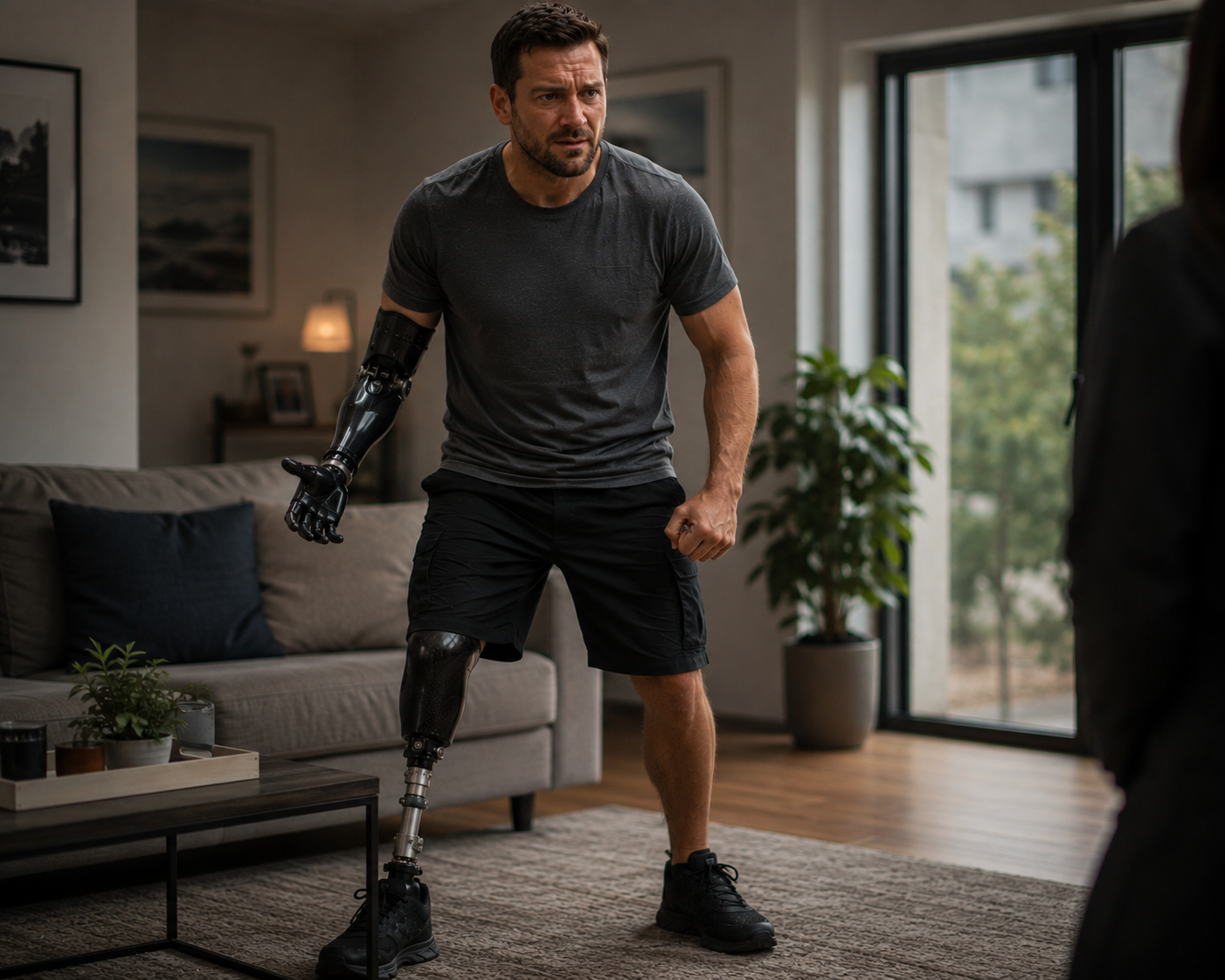
Losing a limb changes far more than your physical body. It can change the way you see yourself, how you move through the world, your relationships, your work, your hobbies, and your expectations for the future. Whether your amputation was the result of trauma, diabetes, vascular disease, cancer, infection, or another medical condition, the emotional impact is often just as significant as the physical recovery.
Many people are surprised by the intensity of their emotions after an amputation. One day you may feel hopeful after reaching a rehabilitation milestone, while the next day you may feel angry, exhausted, anxious, or heartbroken. These emotional swings can be confusing, but they are a normal response to an extraordinary life event. There is no ‘right’ way to feel, and there is no timetable for emotional healing.
This article explores the emotional journey that many people experience after limb loss, why those emotions occur, and practical ways to move forward while showing yourself patience and compassion.
Grief Is More Than Sadness
Many people think grief only means crying, but grief can appear as anger, guilt, frustration, fear, denial, loneliness, or even emotional numbness. You may grieve the loss of independence, a career, favourite activities, or the future you imagined. These feelings often come and go in waves. One positive day does not mean your grief has disappeared, and one difficult day does not mean you are moving backwards. Healing is rarely linear.
The Loss of Identity
For many people, limb loss affects their sense of identity. You may wonder whether people will see you differently or whether you will still be able to fulfil the roles that matter most to you as a parent, partner, employee, athlete, or friend. Rebuilding confidence often begins with recognizing that your value has never depended on having two arms or two legs. Your experiences, character, and relationships remain an important part of who you are.
The Fear of the Unknown
One of the greatest emotional challenges is uncertainty. Questions about walking again, returning to work, driving, finances, prosthetic options, or future health can create significant anxiety. It is natural to want immediate answers, but many questions can only be answered over time. Focusing on today’s goals instead of trying to solve every future challenge at once can make recovery feel more manageable.
Why Small Victories Matter
Recovery is built through hundreds of small successes rather than one dramatic breakthrough. Sitting up independently, transferring safely, taking your first steps with a prosthesis, preparing a meal, or simply having a day with less pain are meaningful achievements. Taking time to recognize these moments helps build confidence and reminds you that progress is happening even when it feels slow.
The Importance of Mental Health
Depression, anxiety, post-traumatic stress, and adjustment disorders can occur after limb loss. Seeking support from a psychologist, counsellor, psychiatrist, or social worker is every bit as important as attending physiotherapy appointments. Emotional recovery deserves the same attention as physical rehabilitation.
The Power of Peer Support
Healthcare professionals provide essential medical expertise, but there is something uniquely powerful about speaking with someone who has lived through limb loss. Experienced amputees can answer practical questions, normalize difficult emotions, and provide hope through their own stories. Peer support often reminds people that life after limb loss can still be rich, meaningful, and fulfilling.
Supporting Family Relationships
Your loved ones are also adjusting. They may feel frightened, overwhelmed, or unsure how to help. Honest conversations about what you need—and what you do not need—can strengthen relationships and reduce misunderstandings. Recovery works best when everyone feels comfortable asking questions and sharing concerns.
Giving Yourself Permission to Heal
Many people place enormous pressure on themselves to ‘get back to normal’ quickly. Recovery is not a competition. Some days your greatest achievement may simply be getting out of bed or attending an appointment. Showing yourself the same kindness you would offer a friend can make an enormous difference during the healing process.
Practical Ways to Care for Your Emotional Well-Being
While there is no single strategy that works for everyone, many people find it helpful to stay connected with family and friends, participate in rehabilitation, keep a journal, spend time outdoors when possible, celebrate small milestones, and connect with peer support groups. If feelings of hopelessness, persistent anxiety, or depression begin interfering with daily life, speak with a healthcare professional. Asking for help is a sign of courage.
Key Takeaways
- Emotional ups and downs are a normal part of adjusting to limb loss.
- Grief can include sadness, anger, fear, guilt, and uncertainty.
- Recovery is rarely a straight line—setbacks do not erase progress.
- Mental health support is an important part of rehabilitation.
- Peer support helps reduce isolation and provides hope through shared experience.
- Celebrate small victories and give yourself permission to heal at your own pace.
You Don’t Have to Navigate Limb Loss Alone
At Limbloss Connection, we believe connection is one of the most powerful forms of healing. Through virtual support groups, one-to-one peer support, educational resources, and community events, we help people living with limb loss and limb difference build confidence, share experiences, and realize they are never alone. Whether your amputation happened weeks ago or many years ago, there is a community ready to welcome you.
Learn more at https://limblossconnection.com