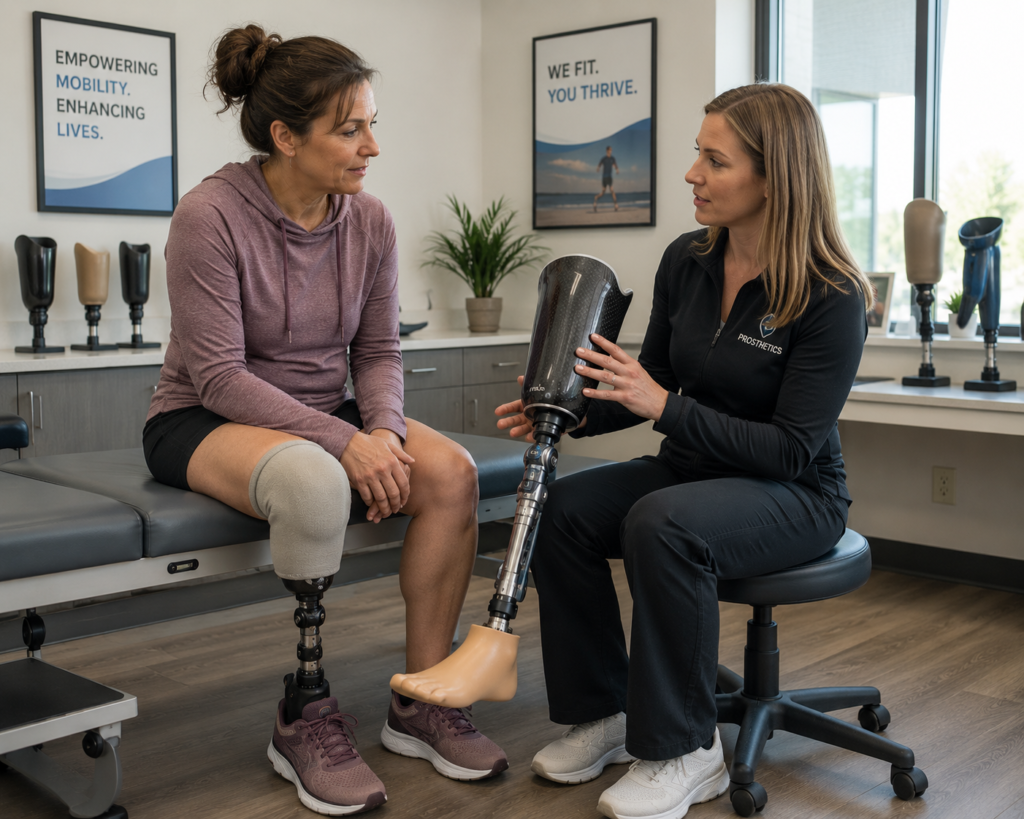
A prosthesis is not a one-time purchase that should be expected to last forever. Your body changes, prosthetic components wear, technology evolves, and your mobility needs can change over time. Eventually, part of the prosthesis—or sometimes the entire prosthesis—may need to be replaced.
There is no universal replacement schedule that applies to every person. Some components may last for years, while liners, sleeves, sockets, or other parts may need attention much sooner. The right time for replacement is usually determined by fit, function, safety, wear, changes in your body, and whether the prosthesis still meets your needs.
Understanding what typically wears out, what warning signs to watch for, and when to contact your prosthetist can help you avoid unnecessary discomfort and keep your prosthesis functioning safely.

A prosthesis should continue to support safe, comfortable mobility as your body and activity needs change.
There Is No Single Expiration Date
People often ask how many years a prosthetic leg or arm should last. The answer depends on which part of the prosthesis you are talking about.
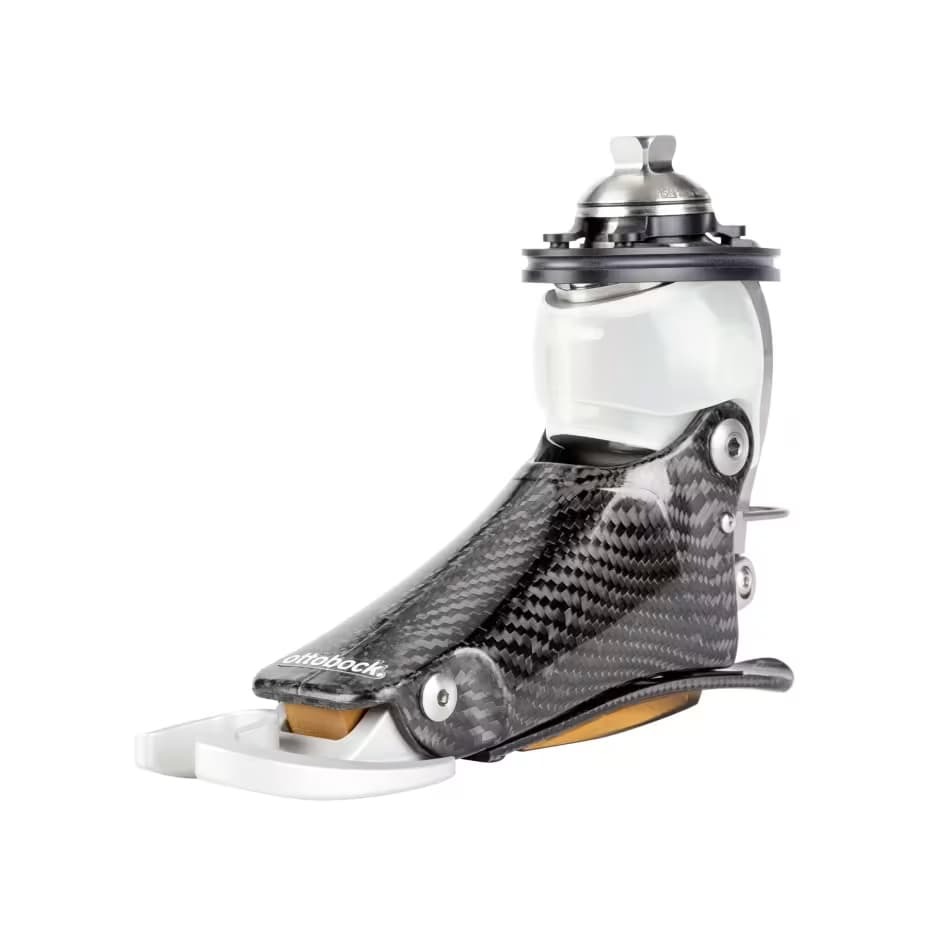
The socket is custom-made to fit your residual limb and may need replacement when the shape or volume of the limb changes. Liners and suspension sleeves are soft materials that experience daily stretching, friction, sweat, and washing, so they often wear sooner. Feet, knees, hands, elbows, and other major components may last considerably longer if they remain safe and functional.
The Amputee Coalition’s First Step Guide notes that prosthetic feet, knees, and terminal devices often have a general lifespan around five years, but they can require earlier replacement after failure or when a person’s activity level changes significantly. Socket lifespan varies because fit depends so heavily on changes in the residual limb.
Think About the Prosthesis as a System
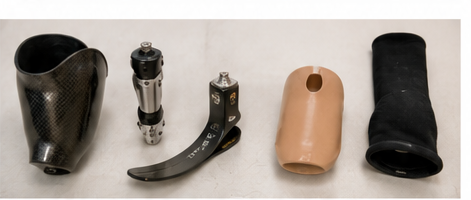
A prosthesis contains multiple parts, and they do not necessarily need replacement at the same time.
A prosthesis is made from several components that work together. Replacing the prosthesis does not always mean replacing every part.
Depending on the type of prosthesis, the system may include:
● Socket
● Liner
● Suspension sleeve or suspension mechanism
● Pylon or structural components
● Prosthetic foot or ankle
● Prosthetic knee
● Prosthetic hand, hook, or terminal device
● Wrist or elbow components
● Microprocessor or electronic components
● Cosmetic coverings
Sometimes only a liner needs replacing. At another time, the socket may need to be remade while the foot or knee can continue to be used. In other situations, a component may no longer be compatible with a new system, making broader replacement necessary.
How Long Does a Prosthetic Socket Last?
There is no reliable number of years that applies to every socket. Socket replacement is driven primarily by fit.
Your residual limb can change because of postoperative healing, muscle changes, weight gain or loss, changes in activity, aging, medical conditions, or long-term tissue changes.
A socket may initially be adjusted using prosthetic socks, pads, or other modifications. Eventually, however, the difference between the socket and the residual limb may become too great to correct effectively.
Signs that a socket may need significant adjustment or replacement include:
● You need substantially more sock ply than you previously used.
● The limb moves excessively inside the socket.
● The prosthesis rotates or feels unstable.
● You are repeatedly developing pressure areas.
● You experience skin breakdown or open areas.
● The socket remains uncomfortable despite adjustments.
● You cannot fully enter the socket because the limb has become larger.
● Your residual limb has changed significantly in shape.
● Repeated socket modifications are no longer solving the problem.

Persistent skin or fit problems can be a sign that the socket needs reassessment.
Your First Socket May Need Replacement Sooner
People receiving their first prosthesis should understand that the residual limb often changes substantially during the first year after amputation.
As postoperative swelling decreases and tissues mature, the residual limb can become smaller and change shape. This can happen surprisingly quickly for some people.
Needing another socket relatively early does not necessarily mean the first socket was made incorrectly. It may simply mean that your body has changed.
This is why regular follow-up with your prosthetist is especially important during early rehabilitation.
How Long Do Prosthetic Liners Last?
Liner lifespan varies significantly according to the material, activity level, fit, care routine, perspiration, and how frequently the liner is worn.
Rather than relying only on age, inspect liners regularly.
Signs a liner may need replacement include:
● The liner has become noticeably stretched.
● The material is thinning.
● Tears, cracks, or holes appear.
● The liner no longer fits snugly.
● The suspension is less reliable.
● The liner causes new friction or skin irritation.
● The material has permanently changed shape.
Ask your prosthetist how many liners you should have and how they should be rotated and cared for.
Suspension Sleeves and Other Soft Materials
Suspension sleeves, seals, straps, harnesses, and similar soft components also wear over time.
They may need replacement when they become stretched, torn, frayed, or can no longer maintain reliable suspension.
Do not ignore a worn suspension component simply because the rest of the prosthesis appears fine. Poor suspension can allow unwanted movement and contribute to instability, friction, and skin problems.
Prosthetic Feet, Knees, Hands, and Terminal Devices
Major prosthetic components are designed for repeated use, but they still experience mechanical wear.
The Amputee Coalition gives a general lifespan of approximately five years for prosthetic feet, knees, and terminal devices, while emphasizing that earlier replacement may be needed after catastrophic failure or a significant change in activity.
The calendar alone should not determine replacement. A component that is still functioning safely may not need to be replaced simply because it reaches a certain age, while a younger component may need replacement because of wear, damage, or changing functional needs.
Signs a Component May Be Wearing Out
Changes in the way the prosthesis sounds, moves, or feels deserve attention.
● New clicking, grinding, squeaking, or unusual noises
● Unexpected movement or looseness
● Wobbling or instability
● Changes in resistance or movement of a knee or ankle
● A foot that no longer responds as expected
● Cracks or visible structural damage
● Loose fasteners or adapters
● A hand or hook that no longer opens or closes properly
● Electronic errors or repeated warning signals
● A battery that no longer performs normally
Do not attempt structural repairs yourself. A prosthetist should inspect a component that may be damaged or unsafe.
When Your Activity Level Changes
A prosthesis that was appropriate when you were primarily walking around the home may no longer be appropriate if you later return to work, begin walking longer distances, take up a sport, or regularly encounter more demanding terrain.
The opposite can also happen. Changes in health, strength, balance, or mobility may mean that a component selected for a highly active user is no longer the safest or most comfortable option.
Replacement can therefore be about matching the prosthesis to the person you are now—not simply replacing something that is broken.
Changes in Body Weight
Significant weight gain or loss can affect both socket fit and whether components remain appropriate for the user’s weight.
Prosthetic components are designed and tested for particular operating ranges. If your weight changes substantially, tell your prosthetist even if the prosthesis still seems to work.
A new socket, component change, or other modification may be needed.
When Technology Has Changed

Newer prosthetic technology may sometimes provide meaningful functional improvements, but newer does not automatically mean better.
Prosthetic technology continues to develop. New feet, knees, hands, sockets, suspension systems, materials, and control technologies may become available during the years you use a prosthesis.
That does not mean a functioning prosthesis should automatically be replaced every time something new reaches the market.
A technology change is worth considering when it could provide a meaningful improvement in areas such as:
● Safety
● Stability
● Comfort
● Energy use
● Terrain adaptation
● Grip or hand function
● Water resistance
● Weight
● Ease of use
● Participation in work, recreation, or everyday activities
Ask your prosthetist what practical difference a newer component would make in your life rather than focusing only on its features.
Microprocessor and Electronic Components
Microprocessor knees, powered ankles, myoelectric hands, powered elbows, and other electronic systems require their own maintenance and service routines.
Batteries can deteriorate. Sensors and electronics may require servicing. Software or settings may need adjustment.
Follow the manufacturer’s maintenance schedule and do not ignore repeated alerts, charging problems, or changes in performance.
Repairs vs. Replacement
A problem does not automatically mean you need a new prosthesis.
Many issues can be addressed through:
● Socket adjustments
● Adding or removing pads
● Alignment changes
● Replacing liners or sleeves
● Replacing worn straps or cables
● Servicing mechanical components
● Replacing an individual foot, knee, hand, or other module
● Adjusting electronic settings
Replacement becomes more likely when repairs no longer restore safe function, the cost or frequency of repairs becomes unreasonable, structural integrity has been compromised, or the existing system can no longer be adapted to your needs.
Regular Prosthetic Check-Ups Matter
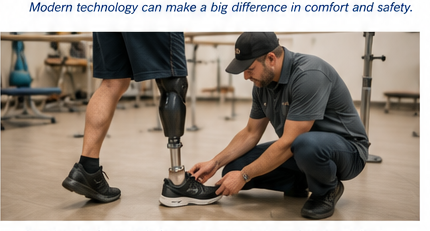
Regular prosthetic evaluations can identify wear, fit changes, and alignment problems before they become more serious.
You do not need to wait until something breaks to see your prosthetist.
Regular evaluations allow the prosthetist to check:
● Socket fit
● Residual-limb changes
● Alignment
● Suspension
● Wear on liners and sleeves
● Fasteners and adapters
● Feet, knees, hands, or other components
● Electronic systems
● Your walking or functional pattern
● Whether your goals or activity level have changed
The appropriate follow-up schedule depends on the individual and the prosthetic system.
Do Not Ignore Skin Problems
Skin irritation is often one of the earliest signs that something about the prosthetic fit has changed.
Repeated friction, pressure, heat, moisture, and shear inside the socket can contribute to skin damage. Changes in residual-limb volume can alter where those forces occur.
Persistent redness, blisters, open wounds, drainage, increasing pain, or recurrent skin breakdown should not simply be accepted as part of wearing a prosthesis.
The cause needs to be assessed, and the socket may require adjustment or replacement.
Questions to Ask Your Prosthetist
About the Socket
● Is my current socket still fitting appropriately?
● How much sock ply is reasonable before we should consider another socket?
● Can this socket still be adjusted effectively?
● Are my skin problems related to socket fit?
About Components
● How old are my foot, knee, hand, or other major components?
● Are there signs of mechanical wear?
● Does the manufacturer recommend routine servicing?
● Are my current components still appropriate for my weight and activity level?
About Replacement
● Do I need a completely new prosthesis or only a new socket or component?
● Why are you recommending replacement?
● Can any existing components be reused?
● What alternatives are available?
● Would newer technology provide a meaningful benefit for me?
About Funding
● What portion of the replacement is covered?
● What documentation is required?
● How often does my funding program normally allow replacement?
● Can replacement be approved earlier when medically necessary?
● What costs will I be responsible for?
Funding Rules Are Not the Same as Clinical Need
Funding programs and insurance plans may have replacement schedules or documentation requirements. These administrative rules are not necessarily the same thing as the clinical lifespan of a prosthesis.
A prosthesis may need earlier replacement because of physiological changes, damage, wear, or changes in functional needs.
If your prosthetist believes replacement is medically necessary, ask what documentation is needed to support the request.
Keep Records of Your Prosthetic Equipment
It can be helpful to keep a simple record of your prosthetic history.
● Date the prosthesis or socket was received
● Manufacturer and model of major components
● Serial numbers when available
● Warranty information
● Dates of repairs and servicing
● Changes in socket fit
● Replacement liners and sleeves
● Major changes in activity or body weight
This can make future funding applications, warranty claims, and prosthetic appointments easier.
Your Prosthesis Should Change When Your Needs Change
A prosthesis is a tool built around your body and your life. Neither stays exactly the same.
You may become stronger and more active. Your residual limb may change. Your work may change. You may develop different mobility priorities. Your health may change. Technology may provide new options.
Replacement should therefore be based on whether your current prosthesis continues to provide an appropriate combination of comfort, safety, function, and reliability.
Learning From Other People Living With Limb Loss
Regular conversations about comfort, function, and changing goals are an important part of long-term prosthetic care.
Prosthetists provide the clinical and technical expertise needed to determine whether a socket or component is still appropriate. Other people living with limb loss can add practical experience.
They can share what it felt like when a socket became too large, how they recognized component wear, what questions they asked before upgrading technology, and what they learned from replacing their first prosthesis.
Limbloss Connection provides opportunities for people living with limb loss and limb difference to connect, exchange experiences, and learn from one another.
Peer experience should complement professional prosthetic advice rather than replace it.
So, How Often Should Your Prosthesis Be Replaced?
There is no single answer.
Major components such as prosthetic feet, knees, and terminal devices may often be used for several years, with the Amputee Coalition citing about five years as a general lifespan. Sockets are different: they may need replacement sooner or later depending on changes in the residual limb and whether a comfortable, stable fit can still be maintained.
The better question is not simply, “How old is my prosthesis?”
Ask instead:
● Does it still fit correctly?
● Is it comfortable?
● Is it safe?
● Are the components functioning as intended?
● Does it still match my activity level?
● Is it causing skin problems?
● Can problems still be corrected through adjustment or repair?
● Does it still allow me to do the things that matter to me?
If the answer to one or more of those questions is no, it is time to have the prosthesis evaluated.
Replacement should not be based on an arbitrary date. It should happen when your body, your equipment, or your life tells you that the current prosthesis is no longer doing its job.