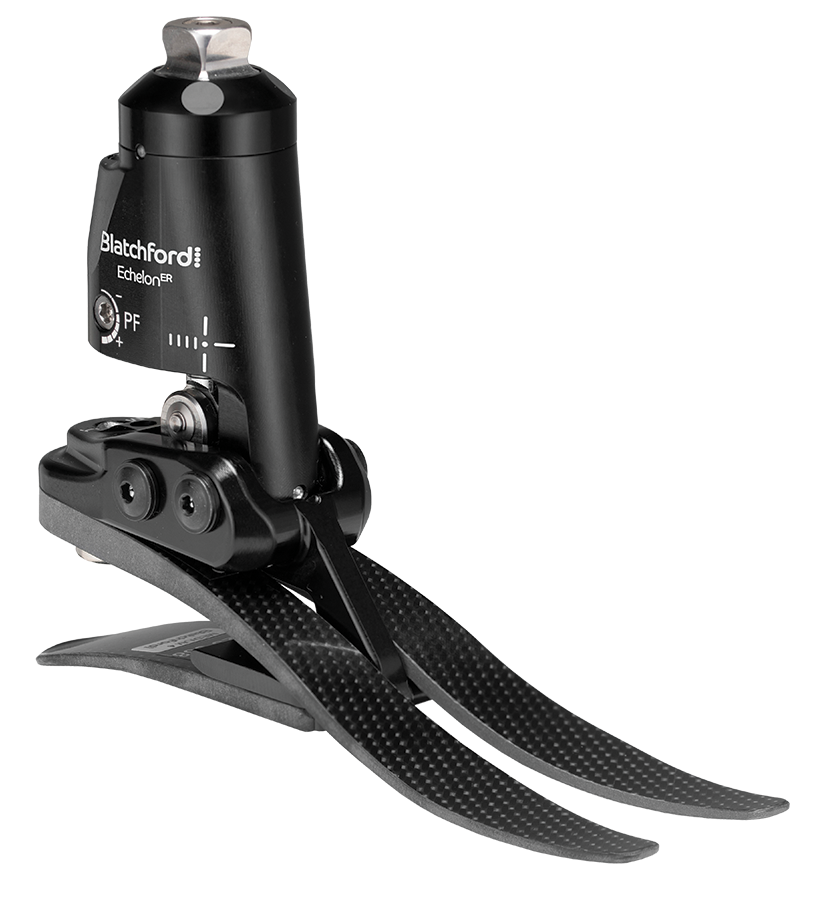
Strutting with Confidence: The Best Prosthetic Feet for High Heels
For women who use prosthetics, the desire to wear high heels isn’t just about fashion; it’s about reclaiming a sense of normalcy, expressing personal style, and feeling confident in every stride. Thankfully, advancements in prosthetic technology mean that ditching your favorite stilettos is no longer a given. Today, there are a variety of prosthetic feet designed to accommodate heels, offering comfort, balance, and a seamless transition from flats to your most glamorous footwear.
Let’s explore some of the top contenders and what makes them stand out, along with a special mention for those who love to go barefoot.
The Challenge of High Heels
Before diving into the options, it’s helpful to understand why high heels pose a unique challenge for prosthetic users. When you wear heels, your foot is tilted forward, and your body weight shifts. This change in angle and pressure requires a prosthetic foot that can adapt to different heel heights and provide stable support. Traditional prosthetic feet are often designed for flat shoes, making heel-wearing uncomfortable, unstable, or even impossible.
Top Prosthetic Feet for High Heel Enthusiasts
Here are some of the leading prosthetic feet that empower women to embrace high heels:
1. The College Park TruPer® Foot:
- What it is: The TruPer® is a highly versatile foot known for its natural movement and ability to adapt to varying terrain and shoe styles, including heels. It features a multi-axial design that allows for inversion/eversion (side-to-side movement) and plantarflexion/dorsiflexion (up-and-down movement).
- Comfort: Users often praise the TruPer® for its comfortable feel, even during long periods of wear. Its flexibility helps absorb shock and reduce stress on the residual limb.
- Balance: The multi-axial movement contributes significantly to improved balance, especially on uneven surfaces or when transitioning between different activities. This is crucial for maintaining stability in heels.
- Ease to put on: While the initial fitting requires a prosthetist, once properly aligned, the TruPer® doesn’t add complexity to the daily routine of putting on a prosthesis.
- Heel Accommodation: This foot excels in its ability to adjust to a range of heel heights, often through an adjustable ankle mechanism that can be set by a prosthetist.
2. The Össur Pro-Flex® LP Align:
- What it is: The Pro-Flex® LP Align is specifically designed for active users who want the freedom to choose their footwear, including high heels. It incorporates a unique “align” feature that allows for quick and easy adjustment of the ankle angle.
- Comfort: The split-toe design and active carbon fiber keel provide excellent shock absorption and energy return, enhancing comfort throughout the day.
- Balance: The adjustability of the ankle angle directly translates to better balance and stability when switching between different heel heights. This allows for a more natural gait.
- Ease to put on: The “align” feature is designed for user-friendly adjustments, meaning you can often change the heel height yourself without needing a clinic visit. This offers a high degree of independence.
- Heel Accommodation: This is one of its strongest features. The quick-release adjustment mechanism allows users to go from flats to heels with ease, making it highly practical for everyday life and special occasions.
3. The DAW K2 Foot:
- What it is: The K2 foot is a well-regarded option known for its durability and functional design. While not exclusively a high-heel foot, certain models within the K2 line offer features that can accommodate heels.
- Comfort: It provides good shock absorption and a stable platform, contributing to overall comfort during walking.
- Balance: The K2 offers reliable stability, which is a good foundation for balance. While it may not have the dynamic adjustability of some other options, a skilled prosthetist can align it to optimize balance for a chosen heel height.
- Ease to put on: Like most standard prosthetic feet, once fitted, it integrates smoothly into the daily routine.
- Heel Accommodation: Depending on the specific K2 model, some allow for heel height adjustments or are designed with a heel wedge that can be customized to a certain degree.
For the Barefoot Enthusiast: The Freedom Innovations Kinterra® Foot/Ankle System
For women who love the feeling of sand between their toes or prefer to go shoeless around the house, the Freedom Innovations Kinterra® Foot/Ankle System is a game-changer.
- What it is: The Kinterra® is an advanced foot and ankle system that offers powered plantarflexion and dorsiflexion, meaning it actively moves to mimic the natural motion of an anatomical ankle.
- Comfort: Its powered ankle movement significantly reduces strain on the residual limb and back, leading to exceptional comfort, even without shoes. It adapts to the ground beneath it.
- Balance: The active ankle movement provides superior ground conformance, which dramatically improves balance on uneven terrain and offers a more secure feeling when walking barefoot.
- Ease to put on: While a more sophisticated system, it’s designed for seamless integration into daily life after the initial fitting and training.
- Barefoot Capability: This is where the Kinterra® truly shines. Its ability to actively adjust to different surfaces makes walking barefoot feel incredibly natural and stable, something that is very difficult to achieve with passive prosthetic feet. It also offers excellent heel accommodation for those times when shoes are desired.
High-Heel Capability of the Kinterra
The Kinterra is a hydraulic foot/ankle system, which means it uses fluid-controlled mechanics to provide active movement and adjustment. This advanced technology gives it a significant edge when it comes to accommodating different heel heights.
- Automatic Adjustment (Self-Aligning): Unlike feet that require you to manually push a button or adjust a lever (like the Pro-Flex LP Align), the Kinterra’s hydraulic ankle can automatically adjust its angle to match the ground or the shoe you are wearing.
- It can accommodate moderate changes in heel height without any manual adjustment from the user. This means you can often transition between flats, sandals, and moderate heels simply by changing your shoes.
- Superior Stability: When you walk in heels, your ankle is naturally placed in more plantarflexion (pointed toes). The Kinterra’s ability to control and sustain this plantarflexion angle provides rock-solid stability, making you feel much more balanced and secure than you would with a passive foot designed for flats.
- Reduced Socket Pressure: Wearing heels can push your body weight forward and create uncomfortable pressure points in your prosthetic socket. The Kinterra’s automatic heel height adjustment helps keep your residual limb properly seated in the socket, which reduces these pressures and enhances overall comfort.
Making the Right Choice
Choosing the best prosthetic foot is a very personal decision. What works perfectly for one woman might not be ideal for another. It’s essential to work closely with your prosthetist to discuss your lifestyle, activity level, and, of course, your desire to wear high heels. They can help you understand the technical specifications of each foot and how it will integrate with your overall prosthesis.
Trying out different options, if possible, can also give you a firsthand feel for the comfort, balance, and ease of adjustment. With the incredible innovations in prosthetic technology, you no longer have to sacrifice style for function. You can indeed strut with confidence in your favorite heels, or enjoy the freedom of going barefoot, all thanks to these remarkable prosthetic advancements.