Breaking Down Barriers: The Truth About Amputee Capabilities
When it comes to amputees, there’s often a gap between what people think they can do and what’s actually possible. Many people assume that limb loss means a life of limitations and dependency. However, the truth is that amputees are capable individuals who can lead active, fulfilling lives.
Challenging Assumptions
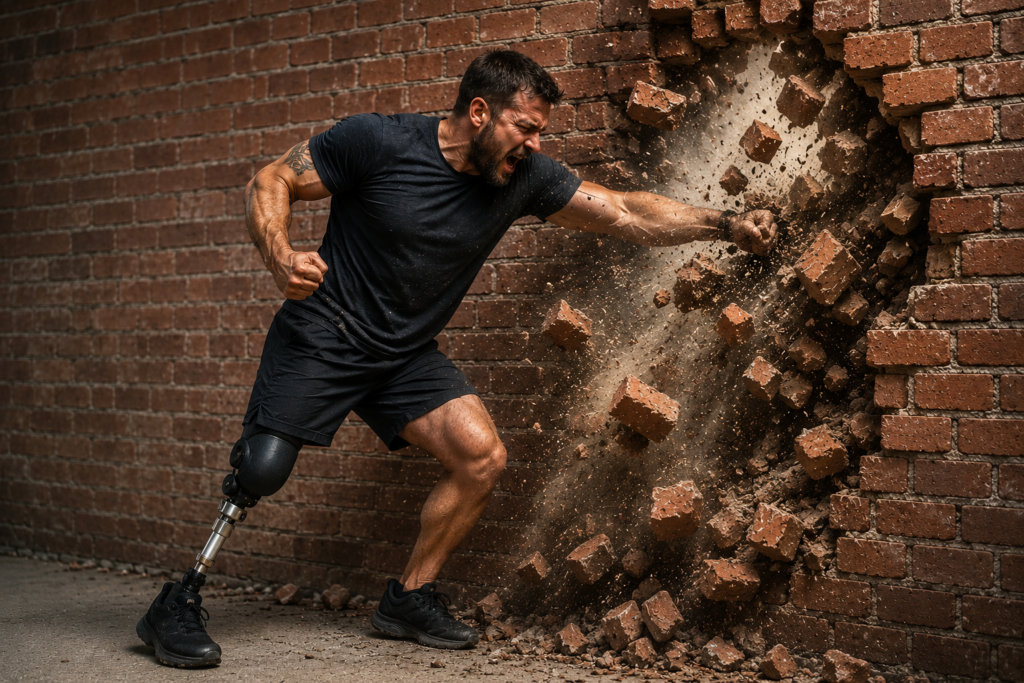
One of the biggest misconceptions about amputees is that they’re limited in their abilities. People often assume that amputees can’t participate in sports, pursue certain careers, or engage in everyday activities. However, these assumptions are far from the truth.
The Reality of Amputee Life
Amputees are individuals with unique personalities, interests, and goals. While some may face challenges in certain areas, many have developed resilience and resourcefulness as a result of their experiences. With the right support and mindset, amputees can achieve great things.
• Pursuing Passions: Amputees can pursue their passions, whether it’s through sports, art, or other activities. Many amputees have found creative ways to adapt and overcome challenges, allowing them to participate fully in the activities they love.
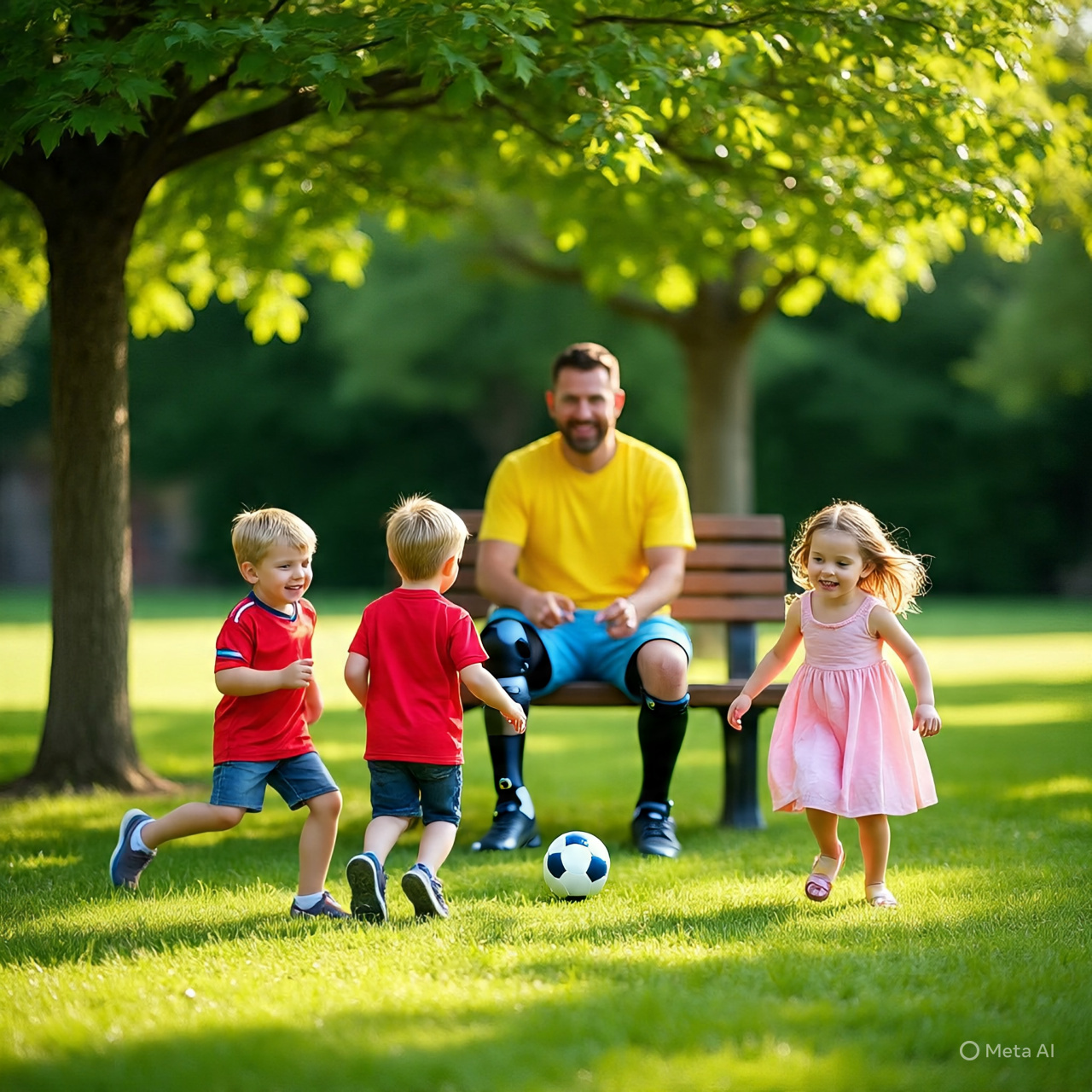
• Parenting and Relationships: Amputees can build strong, meaningful relationships with others. Whether it’s through family, friends, or romantic partners, amputees can connect with others and find support.
• Dancing and Movement: Dancing is just one of many activities that amputees can enjoy. With the right prosthetic or adaptive equipment, amputees can move freely and express themselves in new and exciting ways.
The Power of Perception
The way we perceive amputees can have a significant impact on their lives. By challenging our assumptions and biases, we can create a more inclusive and supportive environment for amputees. This includes:
• Focusing on Ability: Rather than focusing on what amputees can’t do, we should focus on their abilities and strengths. By doing so, we can help amputees build confidence and achieve their goals.
• Providing Support: Amputees often require support and accommodations to participate fully in society. By providing these supports, we can help amputees overcome challenges and achieve their full potential.
• Promoting Inclusion: By promoting inclusion and accessibility, we can help amputees participate fully in all aspects of life. This includes providing a more inclusive and supportive environment, we can help amputees thrive and reach their full potential.
Conclusion
In conclusion, amputees are capable individuals who can lead active, fulfilling lives. By challenging our assumptions and biases, we can create a more inclusive and supportive environment for amputees. Let’s celebrate the diversity and complexity of the amputee experience, and work together to build a more inclusive and supportive society for all. By doing so, we can help amputees thrive and reach their full potential.