Living Fully With Limb Loss: Redefining What’s Possible
Limb loss has a way of halting time.
One moment, you’re living the life you know. The next, everything you once took for granted—walking across a room, opening a jar, holding a child—feels uncertain. Distant. Gone.
In those early days, survival becomes the goal. Just getting out of bed, putting on a liner, facing the world. But beyond the recovery protocols and prosthetic fittings, a more personal question starts to emerge:
Is it still possible to live fully?
Not just to function, but to thrive?
The answer is yes. Unequivocally, profoundly, yes.
But it requires something deeper than determination. It demands a redefinition—of success, of identity, and of what it means to truly live.
Limb Loss Isn’t the End. It’s a Fork in the Road.
When a limb is lost, life doesn’t end—it simply takes a turn. A sharp one. One that forces you to examine everything through a new lens: career, family, relationships, self-worth, purpose.
But what begins as a fracture in your life can become a place of reconstruction. Not a return to who you were, but a becoming of who you’re meant to be—stronger, wiser, and more awake to what really matters.
Living fully with limb loss doesn’t mean going back. It means going forward—on different legs, with a different pace, in a different frame of mind.
Redefining the Word “Possible”
Living fully is not about erasing the hard parts. It’s about transcending them.
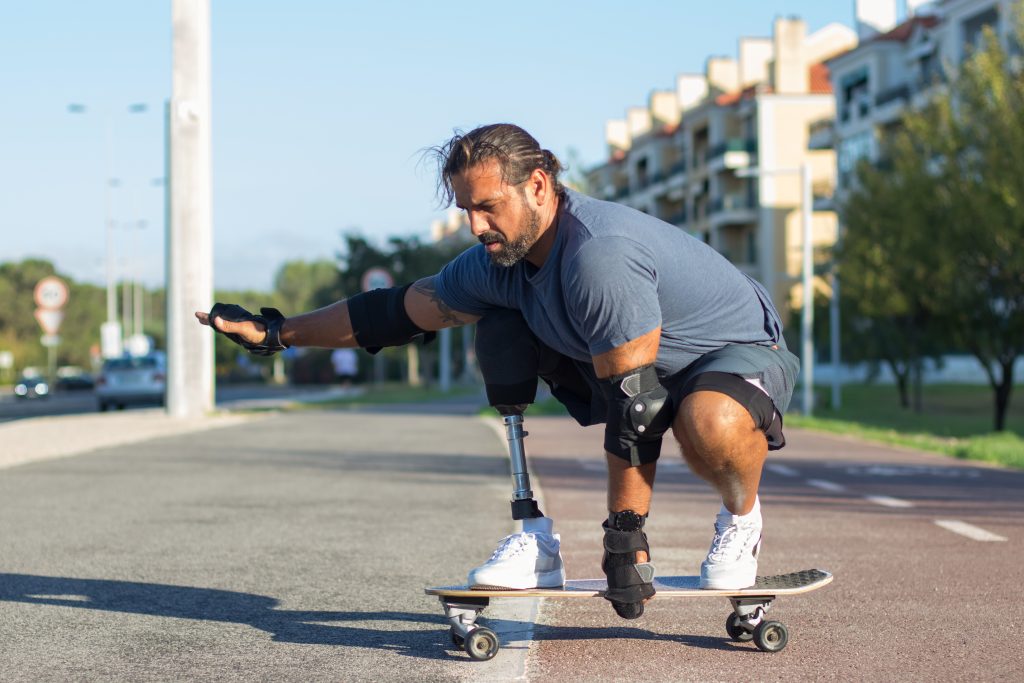
It might mean returning to physical activity—not as a replica of what was, but as an exploration of what’s still available. It might mean trying something new entirely—painting, writing, speaking, building, mentoring, or creating.
It means saying yes to your body, even in its altered form. Yes to intimacy, to visibility, to courage.
And sometimes, it means simply showing up:
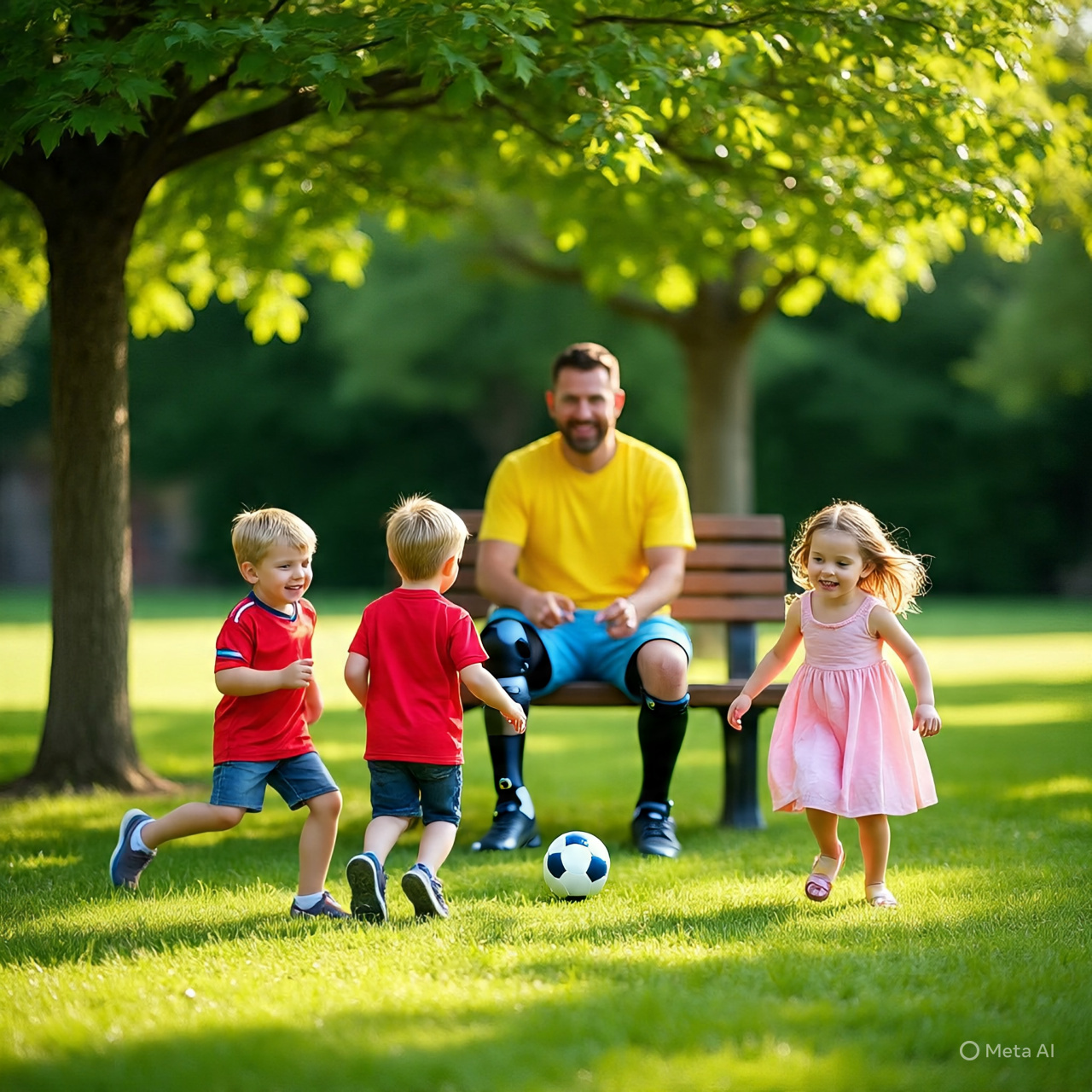
- Showing up at your child’s recital on crutches.
- Showing up at work when every movement is a negotiation.
- Showing up in your life, even when doubt is loud and confidence is quiet.
That is what redefining possible looks like. Not grand gestures. Not perfection. But daily, consistent presence.
The Statistics Tell One Story. You Get to Tell Another.
More than 2.1 million people in the U.S. are living with limb loss. That number is expected to grow to 3.6 million by 2050. Most people lose limbs due to vascular disease, trauma, or cancer—and many go on to lead rich, purposeful lives.
Yet, public narratives often stop at the surgery. The prosthetic. The rehab.
They rarely tell what happens after.
But the truth is—there is life after limb loss.
Not life in spite of it. Not life with an asterisk.
Life—fully lived.
What Living Fully Really Looks Like
It’s not always about athletic achievements or media-worthy milestones.
Often, it’s quiet. Intimate. Personal.
- Learning to love your reflection again.
- Laughing when you fall instead of spiraling into shame.
- Going on that first walk outside, even though it terrifies you.
- Letting someone help you without feeling like you’ve failed.
- Letting go of what was, to make room for what could be.
It’s not about returning to “normal.”
It’s about building a new normal that honors where you’ve been and where you’re going.
Living fully means embracing a body that bears the marks of survival—and still choosing joy, movement, connection, and purpose.
The Power of Connection
No one does this alone.
Behind every act of courage is a community—whether visible or invisible—of people who’ve been there. People who understand what phantom pain feels like. What bathroom accessibility means. What it’s like to grieve your former body while still fighting to love the new one.
That’s why Limbloss Connection exists.
Because limb loss may change your body, but it should never isolate your spirit.
Connection is not a luxury. It’s survival. It’s healing. It’s what turns pain into perspective, and loneliness into belonging.
A New Kind of Strength
Limb loss strips things away—ease, rhythm, spontaneity. But it also reveals things we didn’t know we had.
A deeper patience.
A greater appreciation for life’s smallest moments.
A raw, unfiltered strength that no gym can build.
Living fully with limb loss means acknowledging your pain without being defined by it. It means refusing to shrink yourself down to someone else’s idea of “disabled.” It means writing a story with a second act that’s as meaningful—if not more—as the first.
Start Here, Start Now
If you’ve lost a limb and wonder whether your best days are behind you, hear this:
They’re not.
You are not broken.
You are not limited to surviving.
You are allowed—and fully capable—of thriving.
Start with one decision: to believe that your life still holds possibility. Then take one step. And another.
There is no map. But there is a community. There is a connection. There is a future that is still yours to shape.
Let limb loss be your turning point—not your endpoint.
Let it be the beginning of the most honest, powerful, and fully-lived chapter of your life.