
Understanding the Value of Community
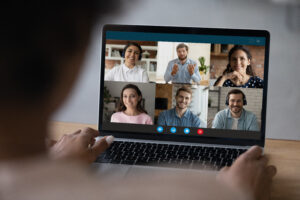
When facing life after limb loss, connecting with others who share a similar experience can be incredibly powerful. Online communities—such as Facebook groups, specialized forums, and virtual support groups—offer a safe space where you can:
- Share Experiences: Hearing stories of others who have faced similar challenges helps normalize the emotional roller coaster and provides practical insights.
- Learn Practical Tips: From adjusting to new prosthetics to navigating daily tasks, real-life advice from peers can be invaluable.
- Build Confidence: Knowing that others have overcome similar obstacles can foster hope and determination.
By engaging with communities like these, you can find encouragement, realistic goal-setting strategies, and the collective wisdom of a network that truly understands your journey.
The Amputee Coalition and Other Key Organizations
Organizations like the Amputee Coalition serve as essential resources for individuals experiencing limb loss. They provide not only information and education but also connections to support networks, advocacy, and rehabilitation resources. Being involved in such groups can help you access:
- Educational Workshops: Learn about the latest advancements in prosthetics, therapy techniques, and adaptive technologies.
- Peer Mentorship: Receive guidance from people who have navigated the adjustment period, offering insights that are both practical and empathetic.
- Advocacy Opportunities: Join a community that champions the rights and well-being of individuals with limb loss, influencing policies and societal perceptions.
These organizations work to build a community where everyone can support each other, making the recovery process feel less isolating and more empowering.
Leaning on Family and Friends
Your personal circle—family and friends—plays a pivotal role in your recovery. They are often your first line of support, providing comfort and understanding during moments of vulnerability. Consider these aspects:
- Emotional Support: Trusted loved ones can help you process grief, anger, or frustration. Sharing your feelings openly can lighten the emotional load.
- Practical Assistance: Whether it’s adapting your home or accompanying you to appointments, family and friends are there to help navigate daily challenges.
- Unconditional Care: The empathetic presence of loved ones can boost your morale and remind you that you are valued and supported beyond your physical circumstances.
Keep in mind that your network’s support might evolve over time. Opening up about your needs can help those around you understand how best to assist you
Building a Strong Healthcare Team
A well-rounded healthcare team is another cornerstone of a supportive recovery process. This team typically includes:
- Doctors: They oversee your medical care and monitor your overall health, ensuring that you are physically healing and managing any post-surgical issues.
- Physical Therapists: Specializing in improving mobility and strength, physical therapists guide you through exercises tailored to your needs, gradually helping you regain independence.
- Occupational Therapists: They focus on helping you perform daily tasks safely and effectively, ensuring that your home and work environments accommodate your new situation.
- Prosthetists: These specialists work closely with you to design, fit, and adjust prosthetic devices that align with your lifestyle and personal comfort.
Each member of your healthcare team not only assists in physical rehabilitation but also offers a layer of emotional support, reinforcing that your recovery is both a medical and personal journey. Their expertise ensures you receive comprehensive care tailored to your unique situation.
Practical Tips for Expanding Your Support Network
Here are a few practical suggestions to help you tap into these diverse support systems:
- Reach Out Online: Look for reputable Facebook groups, forums, and virtual support meetings specific to limb loss. Even if you start by just reading posts, you may eventually feel comfortable joining discussions.
- Connect Locally: Inquire with your healthcare provider about local support groups or workshops. Many hospitals and clinics host sessions where individuals share experiences and advice.
- Attend Events: Organizations like the Amputee Coalition often sponsor events—both virtual and in-person. Attending these can provide a sense of belonging and introduce you to potential mentors.
- Communicate Your Needs: Let family, friends, and your healthcare providers know how you feel. Clear communication fosters a supportive environment and ensures that everyone involved understands your journey.
- Pace Yourself: Remember that building relationships and trusting support systems takes time. Allow yourself the space to adjust and grow within these communities.
Moving Forward with Confidence
Embracing community and support after limb loss is not just about managing a difficult transition—it’s about reclaiming your life, building resilience, and finding empowerment through connection. Every conversation, every shared story, and every supportive gesture contributes to a stronger, more confident you.
Although the road ahead may include challenges, remember that there is a network of people who care deeply about your well-being. By reaching out to online communities, local support networks, and loved ones, you equip yourself with the tools needed for a successful recovery. Lean on your healthcare team for expert guidance, and let your community fill the gaps with understanding, empathy, and shared strength.
Your journey is uniquely your own, but it never has to be traveled in isolation. Embrace the support around you and remember that community is one of the most powerful allies in your recovery and long-term well-being.