The Future of Prosthetics: A New Era of Innovation
Prosthetic technology has come a long way in recent years, transforming the lives of individuals with amputations or limb differences. From microprocessor-controlled knees to myoelectric control, advancements in prosthetics are revolutionizing the way people live, work, and interact with the world. In this blog, we’ll explore the latest developments in prosthetic technology and what they mean for individuals, clinicians, and society as a whole.
Microprocessor-Controlled Prosthetics
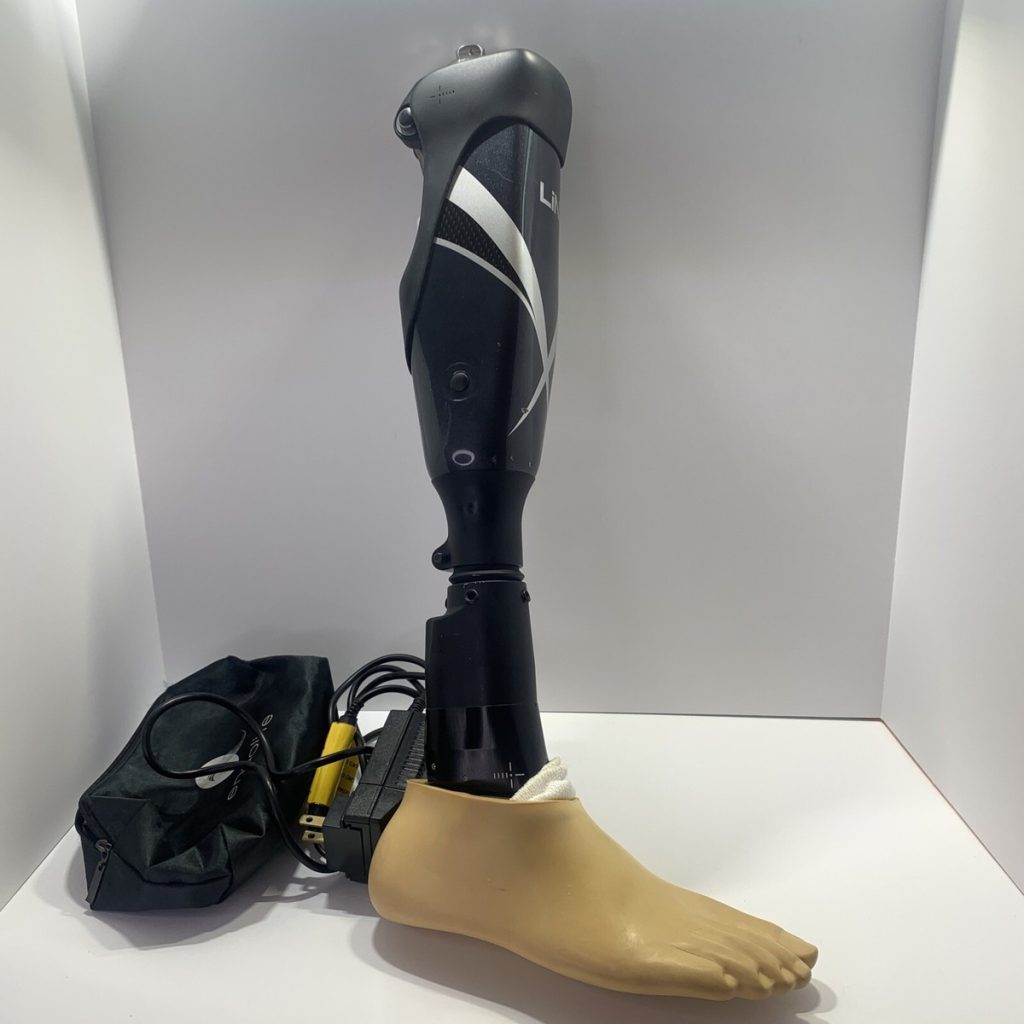
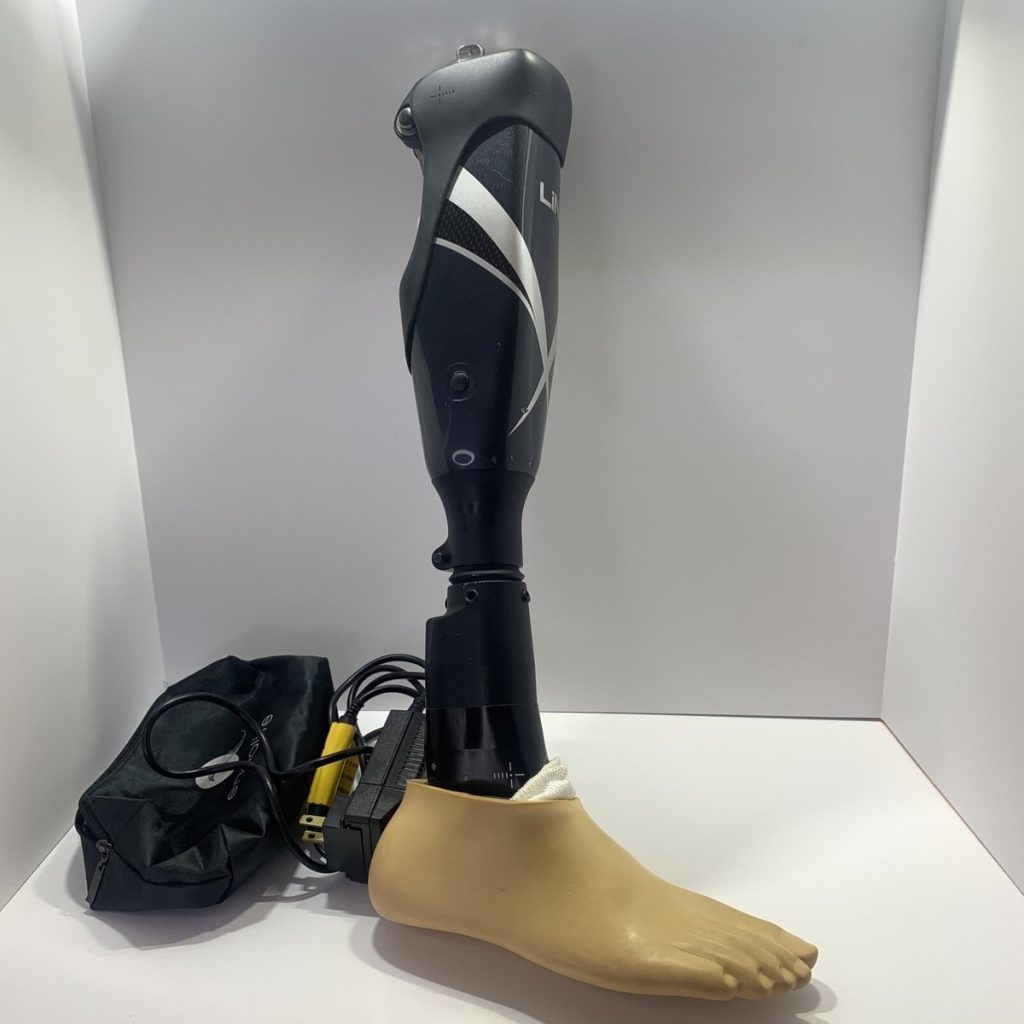
Microprocessor-controlled prosthetics use advanced algorithms and sensor data to adjust movement in real-time, providing a more natural gait and greater stability. These prosthetics can learn and adapt to an individual’s walking style, terrain, and other factors, allowing for more confident and precise movement.
Myoelectric Control
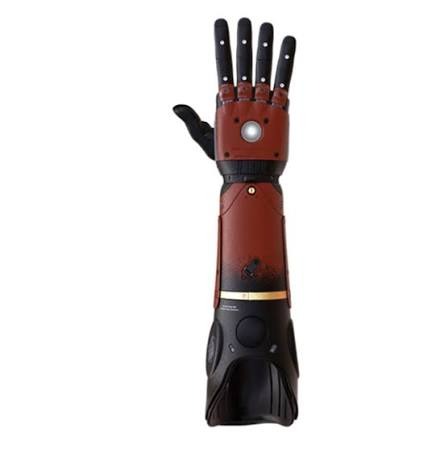
Myoelectric control uses electromyography (EMG) sensors to detect the electrical signals produced by muscle contractions in the residual limb. These signals are then translated into specific movements, allowing individuals to control their prosthetic limb with precision and accuracy.
Advances in Prosthetic Limbs
Recent advancements in prosthetic limbs include:
1. Bionic limbs: Prosthetic limbs that mimic the natural movement and function of human limbs, using advanced sensors and motors to provide a high level of dexterity and control.
2. Mind-controlled prosthetics: Prosthetic limbs that can be controlled directly by the user’s thoughts, using electroencephalography (EEG) or other brain-computer interface technologies.
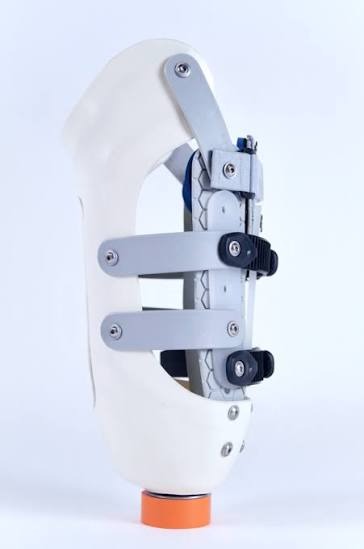
3. Soft prosthetics: Prosthetic limbs made from flexible, lightweight materials that can provide a more comfortable and natural fit.
Benefits and Future Directions
The latest advancements in prosthetics offer numerous benefits, including:
1. Improved mobility: Enhanced mobility and independence for individuals with amputations or limb differences.
2. Increased confidence: Greater confidence and self-esteem for individuals using prosthetic limbs.
3. Personalization: Prosthetic limbs can be tailored to meet the specific needs and preferences of each individual.
As research continues to advance, we can expect to see even more innovative solutions, such as:
1. Neural interfaces: Direct connections between the prosthetic limb and the user’s nervous system, allowing for seamless control and sensation.
2. Advanced materials: New materials and technologies that provide greater strength, durability, and comfort for prosthetic limbs.
Conclusion
The future of prosthetics is exciting and rapidly evolving. With advancements in microprocessor control, myoelectric control, and other technologies, individuals with amputations or limb differences have more options than ever before. As we continue to push the boundaries of what is possible, we can look forward to a future where prosthetic limbs are more intuitive, natural, and empowering than ever before.